




High Stress Training (HST) vs Low Stress Training (LST): Choosing the Best Method at Discount Cannabis Seeds.
Introduction to High Stress Training (HST) and Low Stress Training (LST)
In the world of cannabis seeds cultivation, plant training techniques like High Stress Training (HST) and Low Stress Training (LST) have become essential tools for growers seeking to maximize their yields and optimize plant health. These methods, which involve manipulating plant growth to achieve desired outcomes, are popular among both novice and experienced cultivators. At Discount Cannabis Seeds, we understand the importance of choosing the right training technique to suit your specific growing conditions and goals.
Both High Stress Training and Low Stress Training have their unique advantages and challenges, and selecting the appropriate method can significantly impact the quality and quantity of your cannabis harvest. While HST involves more aggressive techniques that can lead to higher yields, LST offers a gentler approach that promotes gradual growth and stress reduction. Understanding the nuances of each method is crucial for making informed decisions about your cultivation practices.
In this article, we will explore the intricacies of HST and LST, outlining their benefits, differences, and step-by-step implementation guides. Whether you're growing cannabis for personal use or commercial production, our goal is to provide you with the knowledge and confidence needed to make the best choice for your plants. Let's delve into the world of plant training and discover which method is right for you at Discount Cannabis Seeds.
What is High Stress Training (HST)?
High Stress Training (HST) is a plant training technique that involves intentionally stressing cannabis plants to encourage more vigorous growth and increased yields. This method is often employed by growers looking to maximize their harvests, as it can lead to the development of multiple colas and a bushier plant structure. By applying stress, such as topping or super cropping, the plant's natural growth patterns are disrupted, redirecting energy to other parts of the plant.
One of the most common HST techniques is "topping," where the main stem of the plant is cut or pinched to encourage lateral growth. This process results in the formation of two or more new colas, effectively increasing the potential yield. Another popular HST method is "super cropping," which involves gently bending and slightly damaging the plant's stems, prompting it to strengthen and grow more robustly.
While HST can be highly effective, it requires a certain level of skill and timing to execute properly. Growers must be attentive to their plants' health and recovery, as excessive stress can lead to stunted growth or even plant death. However, when done correctly, HST can significantly enhance the overall productivity of your cannabis plants, making it a favoured technique among experienced cultivators.
What is Low Stress Training (LST)?
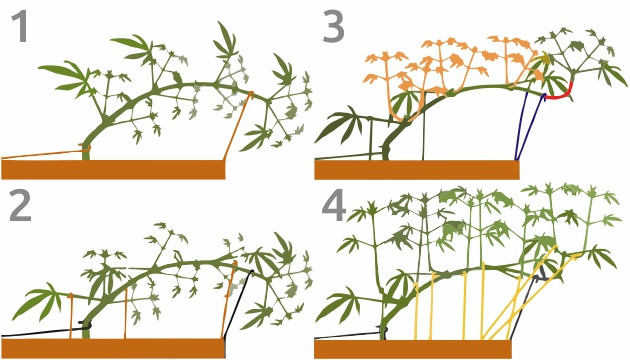
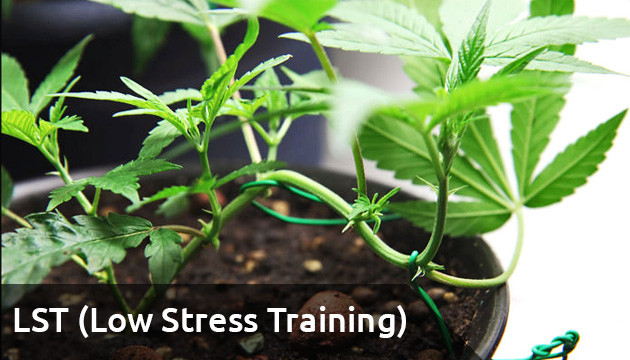
Low Stress Training (LST) is a more gentle approach to manipulating cannabis plant growth, focusing on gradually shaping the plant without causing significant damage or stress. This method is ideal for growers who prefer a less invasive technique that still yields impressive results. LST involves bending and tying down branches to create an even canopy, allowing light to penetrate more effectively and promoting the growth of multiple colas.
The primary objective of LST is to maintain a level canopy, which ensures that all parts of the plant receive equal exposure to light. This even distribution can lead to more uniform bud development and an overall increase in yield. By carefully guiding the plant's growth, LST allows for better use of available space, making it particularly advantageous for indoor growers with height restrictions.
LST is a versatile technique that can be employed at various stages of the plant's life cycle. It requires patience and attention to detail, as growers must regularly adjust ties and monitor plant growth. However, the reduced risk of plant damage and stress makes LST an attractive option for both novice and experienced cultivators. By implementing LST, growers can achieve impressive results without the need for aggressive intervention.
Benefits of High Stress Training (HST)
High Stress Training offers several distinct advantages that make it a popular choice among seasoned cannabis growers. One of the primary benefits of HST is the potential for increased yields. By stimulating the plant to produce multiple colas, HST can significantly boost the overall harvest, making it an attractive option for those looking to maximize their production. This method is particularly beneficial for growers with limited space, as it allows for a more efficient use of available area.
Another advantage of HST is the promotion of stronger and more resilient plants. The stress-induced growth response encourages the development of thicker stems and branches, which can better support the weight of heavy buds. This increased structural integrity not only enhances the plant's ability to withstand environmental stressors but also improves nutrient uptake and distribution, leading to healthier and more robust growth.
Moreover, HST can enhance cannabinoid and terpene production, resulting in more potent and flavourful cannabis. The stress placed on the plant triggers a defense mechanism that can increase the concentration of these compounds, enhancing the overall quality of the final product. For growers seeking to produce cannabis with unique and desirable characteristics, HST offers a powerful tool for achieving these goals.
Benefits of Low Stress Training (LST)
Low Stress Training provides a range of benefits that make it an appealing choice for growers seeking a more controlled and less invasive approach to plant training. One of the key advantages of LST is its ability to create an even canopy, ensuring that all parts of the plant receive adequate light exposure. This promotes uniform bud development and can lead to higher overall yields, especially in indoor growing environments where light penetration is crucial.
LST also minimizes the risk of plant damage and stress, making it a suitable option for novice growers or those cultivating particularly sensitive strains. By gently guiding the plant's growth, LST reduces the likelihood of stunted growth or plant death, allowing for a more forgiving cultivation process. This method is well-suited for growers who prioritize plant health and sustainability, as it encourages natural growth patterns without the need for aggressive intervention.
Additionally, LST offers enhanced control over the plant's shape and size, allowing growers to optimize their use of available space. This is particularly advantageous for indoor growers with height restrictions, as LST facilitates horizontal growth and prevents the plant from outgrowing its environment. By implementing LST, cultivators can achieve impressive yields while maintaining a manageable and aesthetically pleasing plant structure.
Key Differences Between HST and LST.
When comparing High Stress Training and Low Stress Training, several key differences emerge that can influence a grower's decision on which method to employ. One of the most notable distinctions is the level of stress each technique imposes on the plant. HST involves more aggressive interventions, such as cutting or bending, which can cause significant stress but also lead to increased yields and potency. In contrast, LST employs gentle manipulation to guide plant growth, minimizing stress and reducing the risk of damage.
Another important difference is the skill level required for successful implementation. HST generally demands more experience and precision, as improper execution can result in stunted growth or plant death. Growers must carefully monitor their plants and ensure they have adequate recovery time to prevent adverse effects. On the other hand, LST is more forgiving and accessible to novice growers, as it involves gradual adjustments and poses a lower risk of harm.
The intended outcomes of each method also vary. HST is often chosen for its potential to produce higher yields and more potent cannabis, making it ideal for growers focused on maximizing production. In contrast, LST is favoured for its ability to create an even canopy and optimize light distribution, leading to uniform bud development and improved overall plant health. By understanding these differences, growers can make informed decisions about which technique best aligns with their cultivation goals.
Which Method is Best for Your Cannabis Plants?
Choosing between High Stress Training and Low Stress Training ultimately depends on your specific cultivation goals, experience level, and growing conditions. For growers seeking to maximize yields and are comfortable with more aggressive techniques, HST may be the preferred option. This method is particularly advantageous for those with limited space, as it promotes a bushier plant structure that can increase production without requiring additional area.
Conversely, if you're a novice grower or prioritize plant health and sustainability, LST may be the better choice. This method offers a more forgiving approach that minimizes stress and reduces the risk of plant damage. LST is especially suitable for indoor growers with height restrictions, as it encourages horizontal growth and optimizes light distribution. By carefully guiding your plants' growth, you can achieve impressive results without the need for aggressive intervention.
Ultimately, the best method for your cannabis plants will depend on your individual preferences and cultivation objectives. Both HST and LST offer unique advantages, and understanding these can help you make an informed decision. At Discount Cannabis Seeds, we are committed to supporting growers at every stage of their journey. Our extensive selection of seeds and expert advice can help you achieve the best possible results, regardless of which training method you choose.
Step-by-Step Guide to Implementing HST.
Implementing High Stress Training requires careful planning and execution to ensure successful outcomes. Here's a step-by-step guide to help you get started:
Choose the Right Time: Begin HST once your plants have developed a strong root system and have at least 4-6 true leaves. This ensures they have the necessary energy reserves to recover from stress.
Select the Technique: Decide whether you'll use topping, super cropping, or another HST method. Each technique has its own benefits, so choose the one that aligns with your goals.
Perform the Stress: For topping, pinch or cut the main stem above a node to encourage lateral growth. For super cropping, gently bend the stems until you hear a slight snap, being careful not to break them entirely.
Monitor Recovery: After applying stress, monitor your plants for signs of recovery, such as new growth and increased vigor. Ensure they have adequate nutrients, water, and light to support their healing process.
Repeat as Needed: Depending on your goals, you may need to perform HST multiple times throughout the plant's life cycle. Be mindful of your plants' health and adjust your approach as necessary.
By following these steps, you can successfully implement High Stress Training and achieve impressive results. Remember that patience and attention to detail are key to maximizing the benefits of this technique.
Step-by-Step Guide to Implementing LST.
Low Stress Training is a more gradual and forgiving technique that can yield impressive results when executed correctly. Here's a step-by-step guide to help you implement LST:
Start Early: Begin LST when your plants are young and flexible, typically around the third or fourth week of growth. This ensures the branches are pliable and can be shaped without breaking.
Gently Bend Branches: Carefully bend the main stem and branches to create a horizontal growth pattern. Use soft ties or garden wire to secure the branches in place, ensuring they are not too tight to restrict growth.
Maintain an Even Canopy: Regularly adjust the ties as your plants grow to maintain an even canopy. This ensures all parts of the plant receive equal light exposure, promoting uniform bud development.
Monitor Growth: Keep an eye on your plants' progress and make adjustments as needed. Ensure they have adequate nutrients, water, and light to support their growth.
Prune as Necessary: Remove any leaves or branches that obstruct light penetration or airflow. This helps maintain a healthy growing environment and encourages optimal plant development.
By following these steps, you can effectively implement Low Stress Training and achieve impressive results. This method is ideal for growers seeking a gentle and controlled approach to plant training.
Common Mistakes to Avoid in HST and LST.
Both High Stress Training and Low Stress Training require careful attention and skill to execute effectively. Here are some common mistakes to avoid when implementing these techniques:
Overstressing Plants: Applying too much stress during HST can lead to stunted growth or even plant death. Be mindful of your plants' health and ensure they have adequate recovery time before applying additional stress.
Improper Timing: Starting HST or LST too early or too late in the plant's life cycle can hinder growth and reduce yields. Ensure your plants have a strong root system and are at the appropriate stage of development before beginning training.
Neglecting Plant Health: Both HST and LST require healthy, well-nourished plants to be effective. Ensure your plants have access to adequate nutrients, water, and light to support their growth and recovery.
Using the Wrong Tools: Use soft ties or garden wire for LST to avoid damaging the plant's stems. For HST, ensure your tools are clean and sharp to prevent infection and promote faster healing.
Ignoring Environmental Factors: Consider factors such as light, temperature, and humidity when implementing HST or LST. These can significantly impact your plants' ability to recover and thrive.
By avoiding these common mistakes, you can enhance the success of your training efforts and achieve the best possible outcomes for your cannabis plants.
Conclusion: Making the Right Choice at Discount Cannabis Seeds.
In conclusion, both High Stress Training and Low Stress Training offer unique advantages that can help you achieve your cultivation goals. Whether you're looking to maximize yields, promote plant health, or optimize space, understanding the nuances of each method is crucial for making informed decisions.
At Discount Cannabis Seeds, we are committed to supporting growers at every stage of their journey. With our extensive selection of high-quality seeds and expert advice, you can confidently implement the training method that best suits your needs. Our goal is to empower you to achieve the best possible results and enjoy a successful and rewarding growing experience.
If you're ready to take your cannabis cultivation to the next level, explore our range of seeds and resources at Discount Cannabis Seeds. Our team is here to assist you in choosing the right products and techniques to help you succeed. Let's grow together and achieve remarkable results with High Stress Training and Low Stress Training at Discount Cannabis Seeds.
Call to Action: Discover our wide selection of cannabis seeds and expert resources at Discount Cannabis Seeds. Whether you're a novice or seasoned grower, we have everything you need to succeed. Visit our website today and start your journey towards a bountiful harvest!