




Sativa vs Indica: Essential Growth Habits to Consider at Discount Cannabis Seeds.
In the world of cannabis seeds cultivation, understanding the differences between Sativa and Indica strains is crucial for any grower. These two primary types of cannabis plants possess distinct characteristics and growth habits that influence not only their cultivation but also the effects they have when consumed. As we delve into the specifics, it’s important to highlight that choosing the right strain can significantly impact the success of your cultivation efforts.
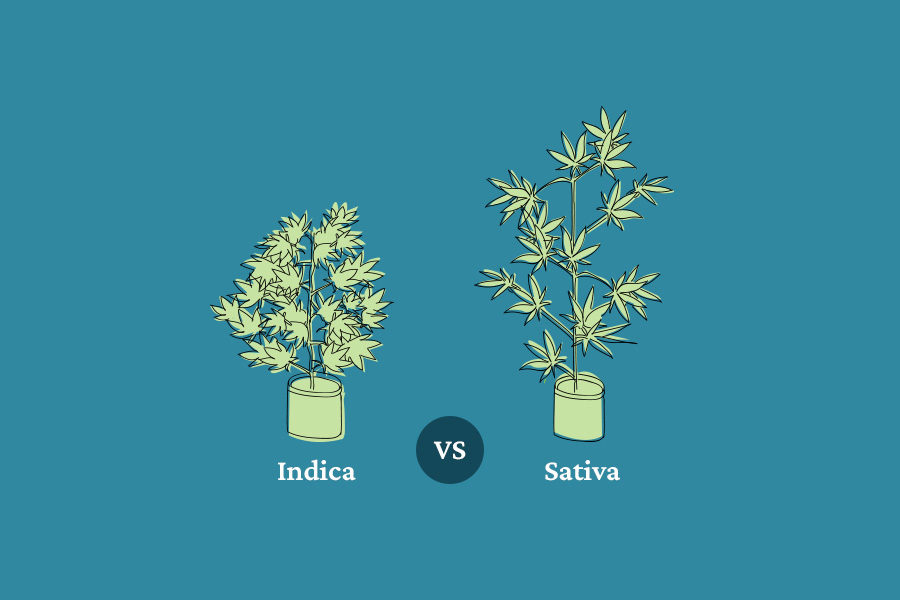
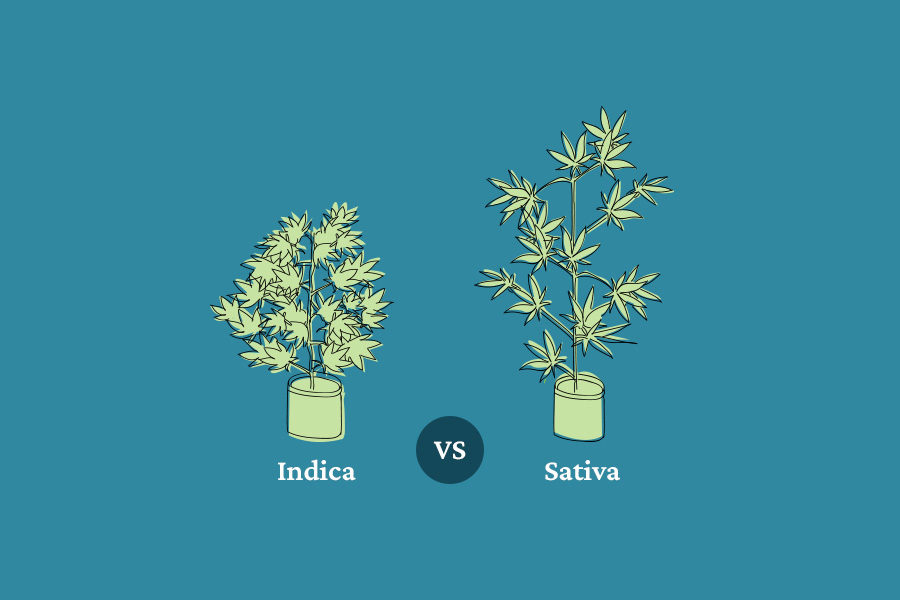
Sativa strains are renowned for their tall, slender appearance and are typically found in regions with warmer climates, such as Southeast Asia and Central America. These plants can grow to impressive heights, often reaching up to 20 feet outdoors. This towering nature requires ample vertical space, making them ideal for outdoor grows or indoor setups with high ceilings.
Indica strains, on the other hand, are more compact and bushier, originating from the mountainous regions of India, Pakistan, and Afghanistan. These plants are well-suited for indoor cultivation due to their shorter stature and dense foliage. Understanding these foundational differences is the first step in making informed decisions about which strain best suits your growing environment.
Key Differences Between Sativa and Indica.
The primary distinction between Sativa and Indica strains lies in their physical appearance and growth patterns. Sativas are characterized by their light green, narrow leaves, and longer flowering cycles. These traits make them more suitable for growers who have the patience and resources to manage longer harvest periods. The extended flowering time allows Sativa strains to develop higher THC levels, often resulting in an energetic and uplifting effect for users.
Indica strains, in contrast, display darker green, broader leaves and shorter flowering periods. This makes them a popular choice for growers looking for a quicker turnaround. The dense, resinous buds of Indica plants are packed with cannabinoids, offering a more sedative, relaxing effect, which is ideal for evening use or medical applications targeting pain relief and insomnia.
Moreover, the environmental requirements for each strain differ significantly. Sativas thrive in warmer temperatures with plenty of sunlight, whereas Indicas are more adaptable to cooler climates and can withstand harsher conditions. These differences underscore the importance of selecting the right strain based on your geographical location and the available growing conditions.
Growth Habits of Sativa Strains.
When cultivating Sativa strains, several growth habits need to be considered to ensure a successful harvest. The most notable characteristic is their height. As Sativas can grow exceedingly tall, providing sufficient space for vertical growth is essential. Indoor growers often employ techniques such as topping or training to manage the height and promote a more even canopy.
Another important aspect is the extended flowering period typical of Sativa strains, which can range from 10 to 16 weeks. This longer cycle means planning and patience are essential. Growers must be prepared for the additional time and care required to nurture these plants to maturity. The payoff, however, is often a more potent and flavourful harvest.
Sativas also have a higher affinity for light, necessitating a robust lighting setup if grown indoors. High-intensity discharge (HID) lights or LED grow lights are recommended to mimic the natural sunlight these plants crave. Proper lighting not only supports healthy growth but also enhances the plant’s ability to produce high-quality buds with optimal cannabinoid content.
Growth Habits of Indica Strains
Indica strains present a different set of growth habits that cater to growers with limited space or those seeking a quicker harvest. Their compact size and bushy growth make them perfect for indoor environments, where space can be a constraint. Indicas are also more forgiving when it comes to temperature fluctuations, allowing for greater flexibility in growing locations.
The flowering time for Indica strains is typically shorter, ranging from 7 to 9 weeks. This faster cycle is advantageous for growers looking to achieve multiple harvests within a single season. The dense buds produced by Indica plants are not only rich in cannabinoids but also highly resinous, making them ideal for those interested in producing concentrates or extracts.
Indicas also require less intense lighting compared to Sativas, which can be a cost-effective benefit for indoor cultivators. However, maintaining optimal humidity levels is crucial, as the dense foliage can be prone to mold and mildew if conditions are too moist. Regular pruning and airflow management can help mitigate these risks and promote healthy plant development.
Optimal Growing Conditions for Sativa.
To achieve the best results with Sativa strains, replicating their native environment is key. These plants thrive in warm, sunny conditions with daytime temperatures ranging between 70-85°F. If grown indoors, maintaining this temperature range, especially during the flowering stage, is crucial to preventing stress and encouraging robust growth.
Sativas also benefit from a consistent light schedule, with at least 18 hours of light during the vegetative stage, reducing to 12 hours to trigger flowering. Adequate ventilation is important to maintain air circulation and prevent heat build up, which can be detrimental to these temperature-sensitive plants.
Soil quality and nutrient management are also vital. Sativas prefer well-draining soil rich in organic matter. A balanced nutrient regimen that includes nitrogen, phosphorus, and potassium, along with micronutrients, supports vigorous growth and maximizes yield potential. Regular monitoring and adjustment of pH levels ensure nutrient availability and uptake, further enhancing plant health.
Optimal Growing Conditions for Indica.
Indica strains are more adaptable to varying conditions but still require specific environments to reach their full potential. These plants prefer cooler temperatures, ideally between 65-80°F, which aligns well with their native mountainous origins. Maintaining this temperature range helps prevent stress and supports the development of dense, resinous buds.
Lighting requirements for Indicas are less demanding than for Sativas, making them a more energy-efficient option for indoor grows. A standard 18/6 light cycle during the vegetative stage, switching to 12/12 for flowering, is usually sufficient. Ensuring adequate spacing and airflow between plants helps prevent mold and mildew, common issues associated with their dense growth.
Indicas thrive in rich, well-aerated soil with a balanced nutrient profile. While they are less demanding in terms of nutrients compared to Sativas, regular feeding with a focus on phosphorus and potassium during flowering can enhance bud development and resin production. Keeping humidity levels in check, especially during the flowering stage, is crucial to prevent rot and ensure a healthy crop.
Yield and Flowering Time: Sativa vs Indica.
Understanding the yield potential and flowering time of Sativa versus Indica strains is essential for planning and maximizing your harvest. Sativa strains, with their longer flowering period, typically offer lower yields compared to Indica strains. However, the quality and potency of the buds often make up for the reduced quantity, especially for those seeking a more cerebral and energetic high.
Indicas, with their shorter flowering time, are known for producing higher yields. Their dense bud structure is conducive to larger harvests, making them a popular choice for commercial growers and those looking to maximize their output. The quicker turnaround also allows for multiple harvests within a single growing season, further increasing productivity.
When choosing between Sativa and Indica, it’s important to consider not only the yield but also the desired effects and growth conditions. Sativas are ideal for those prioritizing potency and unique flavour profiles, while Indicas offer a more practical solution for high-yield, quick turnaround grows.
Choosing the Right Strain for Your Grow Space.
Selecting the appropriate strain for your grow space involves assessing several factors, including available space, climate, and personal preferences. Sativa strains, with their towering height, are best suited for outdoor environments or indoor setups with ample vertical space. Their need for intense lighting and longer flowering periods requires commitment and resources.
Indica strains, on the other hand, are perfect for indoor growers with limited space. Their compact size and shorter flowering time make them an efficient choice for those looking to optimize their grow space and achieve multiple harvests. The choice between Sativa and Indica ultimately depends on your specific growing conditions and desired outcomes.
When making your selection, consider factors such as the effects you seek, your climate, and the time you can dedicate to cultivation. By aligning these considerations with the growth habits of the strains, you can ensure a successful and rewarding cannabis gardening experience.
Tips for Growing Sativa and Indica Successfully.
Growing cannabis seeds successfully requires attention to detail and a willingness to adapt to the needs of your plants. For Sativa strains, employing training techniques such as topping or low-stress training (LST) can help manage height and promote even canopy growth. Ensuring adequate lighting and maintaining optimal environmental conditions are also crucial to their success.
Indica strains benefit from regular pruning to enhance airflow and prevent mold. Monitoring humidity levels and providing adequate spacing between plants can mitigate the risk of disease. A consistent feeding schedule with a focus on phosphorus and potassium during flowering will encourage robust bud development and high yields.
Regardless of the strain you choose, maintaining a clean and organized grow space is essential. Regular monitoring of plant health and environmental conditions allows you to identify and address issues promptly, ensuring a healthy and productive cannabis garden.
Conclusion: Making the Best Choice for Your Cannabis Garden.
In conclusion, understanding the growth habits of Sativa and Indica strains is pivotal to making informed decisions for your cannabis garden. Each strain offers unique benefits and challenges that must be considered in the context of your available space, climate, and personal preferences. By aligning your growing conditions with the needs of your chosen strain, you can optimize your cultivation efforts and achieve a successful harvest.
Whether you opt for the towering Sativa or the compact Indica, the key lies in careful planning and attention to detail. Embrace the unique characteristics of each strain and adapt your cultivation techniques accordingly. With the right approach, you can enjoy a thriving cannabis garden that meets your needs and exceeds your expectations.
Call to Action
Ready to start your cannabis growing journey? Explore our selection of premium Sativa and Indica seeds at Discount Cannabis Seeds. Whether you're a novice or an experienced grower, we have the perfect strains to suit your needs. Visit our website now to discover the ideal seeds for your garden and take the first step toward a bountiful harvest!