




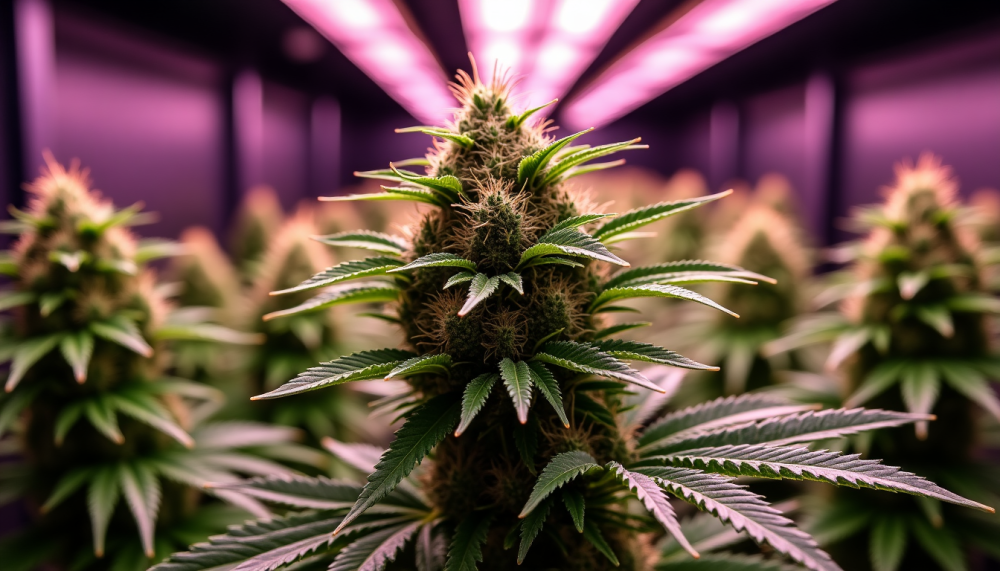
Unlocking High Yields: Expert Tips for Maximizing Yields with Stardawg Cannabis Seeds.
As an enthusiast or cultivator of cannabis seeds, unlocking the full potential of your plants is undoubtedly a priority. Stardawg cannabis seeds offer a unique opportunity due to their robust genetics and high THC content.
Originating from the celebrated Chemdawg 4 and Tres Dawg strains, Stardawg is renowned for its potency and distinctive aroma. Growers find it appealing not only for its impressive potency but also for its generous yields.
Stardawg is often praised for its versatility, making it suitable for both beginners and experienced growers. The strain's resilience against various growing conditions contributes significantly to its popularity. However, achieving the best results requires more than just planting the seeds; it demands knowledge and precision. This article dives deep into expert tips for maximizing yields with Stardawg cannabis seeds, ensuring you get the most out of every grow cycle.
Whether you're interested in cultivating for personal use or commercial purposes, understanding the intricacies of Stardawg can lead to exceptional outcomes. From its genetic makeup to the final harvest, this guide will walk you through each critical step to unleash the full potential of your Stardawg crops.
Understanding the Genetics of Stardawg for Optimal Growth
The genetic lineage of Stardawg is a critical factor in understanding how to optimize its growth. As a hybrid strain, Stardawg combines the best traits of its parent strains, offering a balanced mix of Sativa and Indica properties. This genetic foundation imparts resilience and adaptability, allowing the plant to thrive in various environments.
One of the standout features of Stardawg's genetics is its high THC content, often ranging from 16% to 25%. This potency is attractive to both recreational users and medical patients seeking effective relief. It's essential to consider the plant’s genetic predisposition when planning your cultivation strategy, as it will directly influence factors like growth rate, flowering time, and overall yield.
Understanding the genetic profile also aids in selecting the appropriate growing techniques. For instance, Stardawg's Sativa dominance means it can grow tall, requiring adequate vertical space and strategic training methods to manage its height. By aligning your cultivation practices with the genetic characteristics of Stardawg, you can significantly boost your chances of achieving optimal yields.
Essential Growing Conditions for Maximizing Yields
Creating the ideal growing environment for Stardawg is crucial to maximizing yields. While the strain is adaptable, providing optimal conditions can significantly enhance both quality and quantity of the harvest. Key factors to consider include temperature, humidity, and lighting.
- Temperature and Humidity: Stardawg thrives in temperatures between 70°F and 85°F during the day, with a slight drop at night. Maintaining humidity levels between 40% and 50% during the vegetative stage and lowering it to around 30% to 40% during flowering can prevent mold and mildew while promoting healthy growth.
- Lighting: Adequate lighting is vital for the photosynthetic process. Utilizing high-quality LED lights can mimic the natural sunlight needed for robust growth. A light schedule of 18 hours on and 6 hours off during vegetative growth, followed by 12 hours on and 12 hours off during flowering, is recommended for indoor cultivation.
- Soil and pH Levels: Stardawg prefers slightly acidic soil with a pH range of 6.0 to 7.0. This ensures nutrient availability and absorption. Regular monitoring and adjustment of pH levels can prevent nutrient lockout and promote healthier plants.
By meticulously managing these environmental factors, you create a supportive habitat that encourages Stardawg’s full genetic potential, leading to bountiful yields and superior quality.
Nutrient Requirements for Stardawg Cannabis Plants
Feeding your Stardawg plants the right nutrients is akin to fueling an engine with premium gasoline—it's essential for peak performance. Stardawg's nutrient needs vary across its growth cycle, demanding different macronutrients and micronutrients at each stage.
Key Macronutrients:
- Nitrogen (N): Vital during the vegetative stage for leaf growth and photosynthesis.
- Phosphorus (P): Essential for root development and energy transfer, especially during flowering.
- Potassium (K): Supports overall plant health, disease resistance, and enhances flower quality.
Micronutrients:
- Calcium: Strengthens cell walls and helps in nutrient uptake.
- Magnesium: Central to chlorophyll production, aiding in energy capture from sunlight.
Implementing a nutrient schedule that aligns with each growth phase is crucial. During the vegetative phase, a higher nitrogen content supports rapid growth. As the plant transitions to flowering, phosphorus and potassium levels should be increased to encourage robust bud development.
Incorporating organic fertilizers or specialized cannabis nutrients can provide a balanced diet, ensuring your Stardawg plants have all the necessary elements to thrive. Monitor your plants' response to feeding and adjust the nutrient mix as needed to avoid deficiencies and promote maximum growth.
Best Cultivation Techniques for Stardawg Seeds
Mastering cultivation techniques can significantly impact the yield and quality of your Stardawg harvest. Employing the right methods can enhance growth efficiency and optimize space utilization, especially for indoor growers.
Effective Techniques Include:
- Sea of Green (SOG): This method promotes quicker flowering by growing many small plants closely together. It's ideal for maximizing light exposure and yield in limited spaces.
- Screen of Green (ScrOG): Involves training plants through a horizontal screen, allowing light to penetrate deeper and encouraging even bud development across the canopy.
- Low-Stress Training (LST): Gently bending and tying branches to expose more bud sites to light, promoting uniform growth without causing plant shock.
These techniques not only improve yield but also enhance the quality of the buds by allowing better air circulation and light distribution. Choosing the right method depends on your available space, resources, and personal cultivation goals. By investing time in these techniques, you can maximize the potential of your Stardawg seeds.
The Importance of Pruning and Training for Yield Enhancement
Pruning and training are integral to managing Stardawg’s growth and ensuring an abundant harvest. These practices help in shaping the plant structure, improving light penetration, and increasing airflow—key factors in promoting healthy, productive plants.
Pruning involves removing unnecessary leaves and branches, particularly those that block light or are diseased. This process:
- Enhances light exposure to lower bud sites.
- Reduces the risk of mold and pests by increasing airflow.
- Encourages energy redirection towards developing buds.
Training techniques like topping or fimming can further increase yield by promoting the growth of multiple colas rather than a single main cola. This not only spreads the plant’s energy but also facilitates a more manageable plant size, crucial for indoor growers with space constraints.
Implementing a regular pruning and training schedule can significantly boost the yield and quality of your Stardawg cannabis, making it a worthwhile investment of time and effort.
Pest and Disease Management Strategies
Protecting your Stardawg plants from pests and diseases is vital to securing a healthy, bountiful harvest. Common threats include spider mites, aphids, and powdery mildew, each capable of causing significant damage if not managed effectively.
Prevention and Management Tips:
- Regular Inspection: Conduct frequent checks for signs of infestation or disease, particularly on the underside of leaves where pests often hide.
- Natural Predators: Introducing beneficial insects like ladybugs can naturally control pest populations without harming your plants.
- Organic Pesticides: Use neem oil or insecticidal soap as a safe alternative to chemical pesticides, ensuring your plants remain free from harmful residues.
Maintaining a clean growing environment, including proper ventilation and humidity control, can prevent many common issues. By prioritizing pest and disease management, you protect your investment and set the stage for a successful harvest.
Harvesting Techniques for Optimal Yield and Quality
The culmination of your hard work lies in the harvesting process, where timing and technique play crucial roles in determining the final yield and quality of your Stardawg cannabis. Knowing when and how to harvest can make all the difference.
Key Considerations:
- Trichome Inspection: Use a magnifying glass to examine the trichomes on the buds. Harvest when they turn from clear to a milky white, with some amber, indicating peak potency and flavor.
- Staggered Harvesting: If growing multiple plants, consider staggered harvesting, which allows each plant to reach its full potential before harvest.
- Drying and Curing: After harvesting, proper drying and curing enhance flavor, potency, and overall quality. Hang buds in a dark, well-ventilated area for drying, followed by curing in airtight jars for several weeks to achieve the best results.
By mastering these harvesting techniques, you ensure that the hard work and care invested in your Stardawg plants translate into a rewarding and high-quality yield.
Common Mistakes to Avoid When Growing Stardawg Cannabis
Avoiding common pitfalls can save time, resources, and yield. Many growers make mistakes that could easily be prevented with a bit of foresight and planning.
Frequent Missteps Include:
- Overwatering: Stardawg, like many cannabis strains, is sensitive to overwatering, which can lead to root rot and nutrient deficiencies. Ensure proper drainage and allow the soil to dry out between waterings.
- Ignoring pH Levels: Failing to maintain optimal pH levels can result in nutrient lockout, stunting growth and reducing yield. Regularly test and adjust soil pH.
- Poor Lighting: Insufficient or incorrect lighting can hinder plant development. Invest in quality lighting solutions and adhere to recommended light schedules for each growth stage.
By staying informed and vigilant, you can sidestep these common mistakes and ensure a successful grow cycle with your Stardawg seeds.
Conclusion: Achieving High Yields with Stardawg Cannabis Seeds
The journey to maximizing yields with Stardawg cannabis seeds is as rewarding as it is challenging. By understanding the genetics, creating ideal growing conditions, and employing effective cultivation techniques, achieving a high-yield harvest is within reach. Nutrient management, pruning, training, and pest control further enhance the potential of your plants.
As you embark on or continue your cultivation journey, remember that each grow cycle is an opportunity to refine your skills and knowledge. Embrace the process, learn from each experience, and most importantly, enjoy the fruits of your labor.
Call to Action
If you're ready to elevate your cannabis cultivation to new heights, consider implementing these expert tips in your next grow cycle. Share your experiences and insights with fellow cultivators, and let's continue to explore the incredible potential of Stardawg cannabis seeds together. Happy growing!