



What Makes a “Good” Seed? Spotting Quality & Genetics at Discount Cannabis Seeds.
When it comes to cultivating cannabis seeds, the journey begins with the seed. These small, inconspicuous powerhouses are the foundation of any successful grow operation. A robust understanding of cannabis seeds is crucial for anyone interested in achieving a high-quality crop. The seed is not merely a starting point but a determinant of the plant's potential.
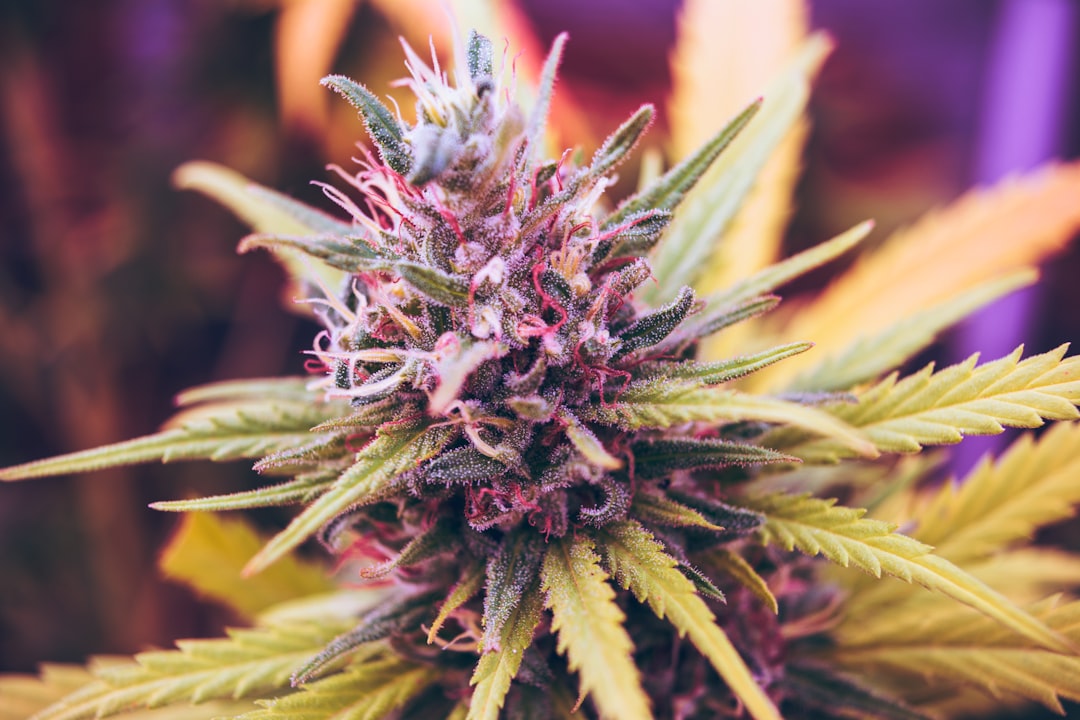
Cannabis seeds are classified into three main types: regular, feminized, and auto flowering. Regular seeds can produce either male or female plants, while feminized seeds are engineered to grow only female plants, which produce the buds typically harvested for consumption. Autoflowering seeds, on the other hand, transition from the vegetative phase to the flowering stage based on age rather than light conditions, making them suitable for novice growers.
Understanding these fundamental types of seeds is just the beginning. The magic lies in the nuances of genetics and the specific traits each seed carries. By delving into the origins and characteristics of cannabis seeds, we unlock the potential to cultivate a plant that meets both our personal needs and market demands.
What Makes a “Good” Seed? Key Characteristics to Look For.
Identifying a "good" seed can seem daunting, but certain key characteristics can guide us. A healthy seed is typically dark brown with a glossy surface and may have tiger stripes or mottled patterns. Its shell should be hard, indicating maturity, as opposed to a green or white seed, which suggests it's immature and unlikely to germinate.
Another important aspect is the seed's size and weight. Generally, viable seeds are larger and feel heavier in hand. This often signifies a dense interior full of potential energy to support the sprouting process. When squeezed gently between fingers, a good seed should resist pressure and not crack easily, highlighting its robustness.
It's also worth considering the age of the seed. While a well-preserved seed can remain viable for several years, fresher seeds tend to have a higher germination rate. By focusing on these characteristics, we can significantly increase our chances of successful cultivation right from the outset.
The Importance of Genetics in Cannabis Seeds.
Genetics play a pivotal role in determining the quality and characteristics of the cannabis plant. A seed's genetic makeup influences everything from the plant's growth rate and resilience to its cannabinoid profile and final yield. Understanding the lineage and genetic background of a seed can help predict its potential and tailor cultivation practices accordingly.
Cannabis genetics are often described as either indica, sativa, or hybrid. Indica strains are known for their shorter, bushier plants and a more sedative effect. Sativa strains, conversely, tend to be taller with stimulating effects. Hybrids combine characteristics of both, offering a balanced experience. Knowing the genetic composition helps in selecting the right strain for specific needs, whether for therapeutic purposes, recreational use, or commercial cultivation.
Moreover, advanced breeding practices have given rise to strains with enhanced traits like disease resistance, higher THC or CBD levels, and unique terpene profiles. By prioritizing seeds with strong genetics, we ensure that our plants have the best possible chance of reaching their full potential, both in terms of quality and yield.
Spotting Quality Seeds: Visual Inspection Techniques.
Visual inspection is a straightforward and effective method to assess the quality of cannabis seeds. By closely examining seeds, we can determine their viability and potential for successful germination. This inspection process involves looking at several key factors.
First, examine the seed's colour and texture. Quality seeds are usually dark, ranging from brown to black, with a slight sheen. Seeds with a pale green or white appearance are typically immature. Additionally, the texture should be firm and unyielding to slight pressure, indicating a healthy seed coat.
Second, consider the integrity of the seed. Look for any signs of cracks or damage on the outer shell. A seed with a compromised shell is less likely to germinate successfully. Lastly, assess the overall size and shape. While seeds come in various sizes, a consistent shape and density often signal good health. By employing these visual inspection techniques, we can make informed decisions about which seeds to plant.
Discount Cannabis Seeds: Are They Worth It?
The allure of discount cannabis seeds can be tempting, especially for those new to cultivation or operating on a tight budget. However, it's essential to weigh the benefits and drawbacks before making a purchase. Discount seeds often come with a lower price tag, but this can sometimes reflect a compromise in quality.
One potential issue with discount seeds is the lack of information about their genetic background and sourcing. This uncertainty can lead to unpredictable plant characteristics and yields. Additionally, cheaper seeds may not have undergone rigorous quality control processes, increasing the risk of poor germination rates or undesirable traits.
Despite these potential pitfalls, discount seeds can be a viable option if sourced from reputable suppliers who provide transparent information about their products. By researching and selecting trustworthy vendors, we can find affordable seeds that still offer quality and reliability. Ultimately, the decision to purchase discount seeds should be based on a careful evaluation of both price and quality.
Evaluating Seed Source: Where to Buy Quality Cannabis Seeds.
Choosing the right source is crucial for acquiring quality cannabis seeds. With numerous suppliers in the market, it's important to identify reputable seed banks that prioritize quality and customer satisfaction. Trustworthy seed banks offer a wide range of strains, detailed genetic information, and reliable customer support at Discount Cannabis Seeds.
When evaluating a seed source, consider factors such as their reputation, reviews, and years in business. Established seed banks often have a proven track record of delivering high-quality seeds. Additionally, look for suppliers that provide detailed strain descriptions, including genetic lineage, expected growth traits, and cannabinoid profiles.
Transparency is another key consideration. Reputable seed banks should be open about their sourcing and breeding practices, ensuring that their seeds are ethically and sustainably produced. By selecting a reliable seed source, we can confidently invest in seeds that have the potential to produce high-quality cannabis plants.
Common Myths About Cannabis Seeds Debunked.
There are several myths surrounding cannabis seeds that can mislead growers and impact their cultivation efforts. Addressing these misconceptions is vital for making informed decisions about seed selection and cultivation practices.
One common myth is that larger seeds are always better. While size can indicate maturity, it doesn't necessarily correlate with the seed's quality or potential. Another misconception is that seeds with a cracked shell are viable. In reality, a cracked shell often signifies damage and reduces the likelihood of successful germination.
Additionally, some believe that all cannabis seeds look the same. In truth, seeds from different strains can vary in appearance, including colour, size, and shape. Recognizing these variations helps in identifying specific strains and ensuring they meet our cultivation goals. By debunking these myths, we can approach cannabis cultivation with accurate knowledge and realistic expectations.
How to Store Cannabis Seeds for Longevity.
Proper storage is essential for maintaining the viability of cannabis seeds over time. By storing seeds correctly, we can preserve their potential for successful germination and healthy plant growth. Several key factors contribute to effective seed storage.
Firstly, temperature and humidity control are critical. Seeds should be stored in a cool, dark environment with stable temperatures, ideally between 6-8°C (42-46°F). Excessive heat or fluctuating temperatures can damage the seed's viability. Similarly, maintaining low humidity levels around 20-30% helps prevent mold growth and degradation.
Secondly, consider the storage container. Airtight containers, such as glass jars or vacuum-sealed bags, protect seeds from moisture and air exposure. Adding a desiccant packet can further help absorb any residual moisture. By following these storage guidelines, we can extend the lifespan of our cannabis seeds and ensure they're ready for planting when the time comes.
The Role of Seed Banks in Quality Assurance.
Seed banks play a pivotal role in ensuring the quality and diversity of cannabis seeds available to growers. These institutions are responsible for preserving genetic material, developing new strains, and providing reliable seeds to the market. Understanding the role of seed banks helps us appreciate their contribution to the cannabis industry.
Firstly, seed banks engage in meticulous breeding programs to develop strains with desirable traits such as increased potency, disease resistance, and unique flavours. These programs involve selecting parent plants with specific characteristics and crossbreeding them to produce offspring with improved qualities.
Secondly, seed banks implement rigorous quality control measures to ensure the seeds they distribute meet high standards of viability and purity. This includes testing seeds for germination rates, genetic stability, and absence of contaminants. By relying on seed banks, growers can access a wide array of high-quality seeds that have undergone thorough testing and evaluation.
Conclusion: Making Informed Choices for Your Cannabis Cultivation.
In conclusion, understanding what makes a "good" seed and how to evaluate its quality is fundamental for successful cannabis cultivation. From recognizing key characteristics and appreciating the importance of genetics to selecting trustworthy seed sources and debunking common myths, each step in the process contributes to better outcomes.
By taking the time to research and invest in quality seeds, we set the foundation for a thriving garden that yields healthy, potent plants. Whether you're a novice grower or an experienced cultivator, making informed choices about your cannabis seeds is a critical component of achieving your cultivation goals.
If you're ready to start your cannabis growing journey or enhance your current practices, consider reaching out to reputable seed banks and suppliers. They can provide the guidance and resources needed to select the best seeds for your needs. Remember, the success of your cannabis cultivation begins with a single seed. Choose wisely and watch your efforts flourish.