




Growing High THC Cannabis Seeds: Essential Tips and Techniques.
Understanding the Importance of High THC Cannabis Seeds.
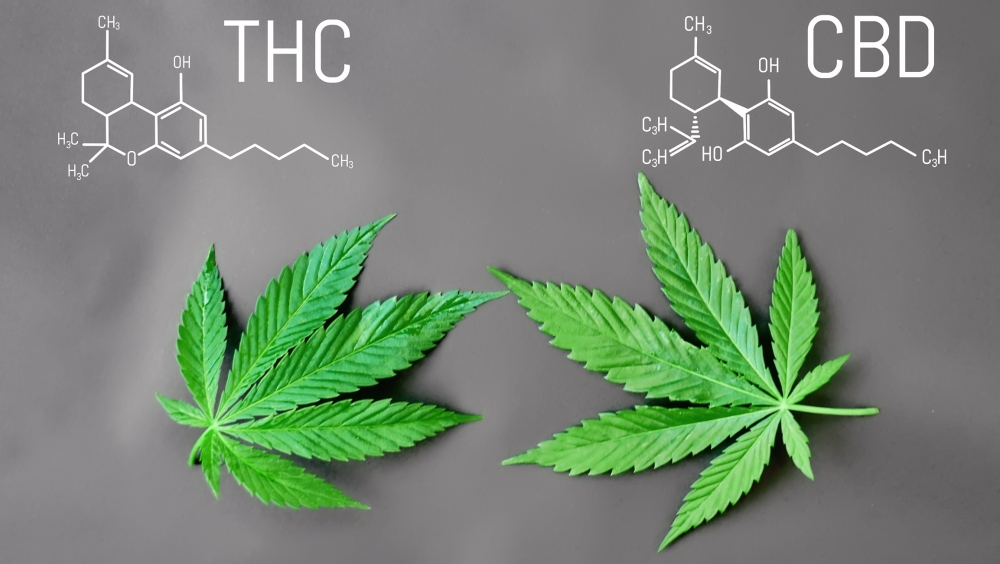
As an experienced cannabis cultivator, I understand the importance of growing high THC cannabis seeds. The THC (Tetrahydrocannabinol) content in cannabis is a key factor that determines the potency and psychoactive effects of the plant. By mastering the art of growing high THC cannabis seeds, you can ensure that your final product is not only potent but also offers a more enjoyable and therapeutic experience for users.
High THC cannabis strains are highly sought after by both recreational and medicinal users. These strains can provide a more intense and euphoric high, as well as potential therapeutic benefits for various medical conditions. By growing your own high THC cannabis plants, you can have greater control over the quality and potency of your final product, ensuring that you have access to the best possible cannabis experience.
Factors to Consider When Choosing High THC Cannabis Seeds.
When it comes to growing high THC cannabis seeds, there are several factors to consider to ensure the best possible results. Here are some key factors to keep in mind:
Strain Selection: Choose a high THC cannabis strain that is well-suited to your growing environment and preferences. Research the different strains available and their specific characteristics, such as flowering time, yield, and THC content.
Genetics: Opt for cannabis seeds with a strong genetic lineage that is known for producing high THC levels. Look for strains that have been bred specifically for their high THC content.
Seed Quality: Purchase your cannabis seeds from a reputable and reliable source to ensure that you are getting high-quality, viable seeds. Avoid counterfeit or low-quality seeds, as they may not perform as expected.
Seed Feminization: Consider using feminized cannabis seeds, which are guaranteed to produce female plants that will flower and produce buds. This can help you avoid the hassle of dealing with male plants, which do not produce the desired THC-rich buds.
Germination Techniques for High THC Cannabis Seeds.
Proper germination is the first crucial step in growing high THC cannabis plants. Here are some effective germination techniques to consider:
Paper Towel Method: Place your cannabis seeds between two moist paper towels, and keep them in a warm, dark place until the seeds sprout.
Soil Method: Plant your cannabis seeds directly in a moist, well-draining soil mix and keep the soil consistently moist until the seeds germinate.
Hydroponics: Use a hydroponic system, such as the Rapid Rooter or rockwool cubes, to germinate your cannabis seeds in a nutrient-rich, water-based solution.
Regardless of the method you choose, ensure that your cannabis seeds are kept in a warm, dark, and humid environment until they sprout.
Soil and Nutrient Requirements for Growing High THC Cannabis Seeds.
The soil and nutrient requirements for growing high THC cannabis seeds are crucial for the plant's overall health and THC production. Here are some key considerations:
Soil Composition: Use a well-draining, nutrient-rich soil mix that is specifically formulated for cannabis cultivation. Avoid using heavy, clay-based soils, as they can lead to root rot and poor drainage.
Nutrient Needs: Cannabis plants require a balanced diet of macronutrients (nitrogen, phosphorus, and potassium) and micronutrients (such as calcium, magnesium, and iron) to thrive. Carefully monitor and adjust your nutrient regimen to ensure optimal growth and THC production.
pH Levels: Maintain a soil pH between 6.0 and 7.0 for the best results. Use pH meters or test kits to monitor and adjust the pH as needed.
Organic vs. Synthetic Nutrients: While both organic and synthetic nutrients can be effective, many growers prefer to use organic amendments, as they can provide a more natural and sustainable source of nutrients for the plants.
Light and Temperature Requirements for Optimal Growth.
Proper lighting and temperature are essential for the optimal growth and THC production of your cannabis plants. Here's what you need to know:
Lighting Requirements: Cannabis plants require a specific light spectrum and intensity for each stage of their growth cycle. During the vegetative stage, use a high-intensity, full-spectrum grow light. During the flowering stage, switch to a light that is more focused on the red and far-red wavelengths.
Light Cycle: Maintain a consistent light cycle for your cannabis plants. During the vegetative stage, provide 18-24 hours of light per day. During the flowering stage, switch to a 12-hour light/12-hour dark cycle.
Temperature Range: The ideal temperature range for growing high THC cannabis is between 20°C and 26°C (68°F and 79°F) during the day, and 16°C to 20°C (61°F to 68°F) at night.
Humidity Levels: Maintain a relative humidity between 40% and 70% for optimal growth and THC production.
Pruning and Training Techniques for Maximizing THC Production.
Proper pruning and training techniques can significantly enhance the THC production of your cannabis plants. Here are some effective methods to consider:
Topping: Topping, or removing the main growing tip, can encourage the plant to produce multiple colas, resulting in a higher overall yield and THC production.
Lollipopping: Removing the lower branches and leaves can improve air circulation and light penetration, leading to more efficient THC production in the upper canopy.
Sea of Green (SOG): The SOG method involves growing a large number of small, evenly spaced plants, which can maximize the overall THC yield per square foot of growing space.
Screen of Green (SCROG): The SCROG method uses a horizontal screen to train the plant's branches and create an even, flat canopy, which can optimize light exposure and THC production.
Pest and Disease Management for High THC Cannabis Plants.
Maintaining the health and vigor of your high THC cannabis plants is crucial for maximizing THC production. Here are some effective pest and disease management strategies:
Integrated Pest Management (IPM): Implement an IPM approach, which combines preventive measures, biological controls, and targeted treatments to address any pest or disease issues.
Sanitation and Hygiene: Maintain a clean and organized grow space, regularly inspect your plants, and promptly remove any affected leaves or plants to prevent the spread of pests and diseases.
Beneficial Insects: Introduce beneficial insects, such as ladybugs, lacewings, and predatory mites, to help control common cannabis pests like spider mites, aphids, and thrips.
Organic Pesticides: If necessary, use organic, non-toxic pesticides and fungicides to address any pest or disease problems, always following the manufacturer's instructions carefully.
Harvesting and Curing High THC Cannabis Buds.
Proper harvesting and curing techniques are essential for preserving the potency and quality of your high THC cannabis buds. Here's what you need to know:
Harvest Timing: Monitor the trichome development on your cannabis plants and harvest when the trichomes are mostly cloudy, with a small percentage turning amber, indicating peak THC levels.
Drying and Curing: Carefully dry your cannabis buds in a cool, dark, and well-ventilated environment, then cure them in airtight containers for several weeks to months to enhance the flavour, aroma, and potency.
Proper Storage: Store your cured cannabis buds in airtight, opaque containers in a cool, dark place to maintain their potency and prevent degradation of the THC.
Tips for Increasing THC Potency in Cannabis Plants.
In addition to the techniques mentioned above, there are several other strategies you can employ to further increase the THC potency of your cannabis plants:
Genetic Selection: Carefully select high THC cannabis strains and maintain a breeding program to continually improve the genetic potential of your plants.
Stress Techniques: Carefully applying controlled stress, such as temperature fluctuations or nutrient deprivation, can trigger the plant's defence mechanisms and increase THC production.
Harvesting Techniques: Experiment with different harvesting methods, such as selective harvesting or staggered harvesting, to optimize the THC content of your final product.
Post-Harvest Processing: Explore various post-harvest processing techniques, such as ice water extraction or solvent-based extraction, to further concentrate the THC and other cannabinoids.
Conclusion: Becoming a Master at Growing High THC Cannabis Seeds.
By implementing the techniques and strategies outlined in this article, you can become a true master at growing high THC cannabis seeds. Remember, the journey to mastering cannabis cultivation is an ongoing process, and it's essential to continually learn, experiment, and adapt your methods to achieve the best possible results.
To take your cannabis cultivation skills to the next level, consider enrolling in our comprehensive online course, "Mastering the Art of High THC Cannabis Cultivation." In this course, you'll learn advanced techniques and strategies from industry experts, and receive personalized guidance to help you optimize your growing operations and maximize your THC yields. Click here to learn more and enroll today!