




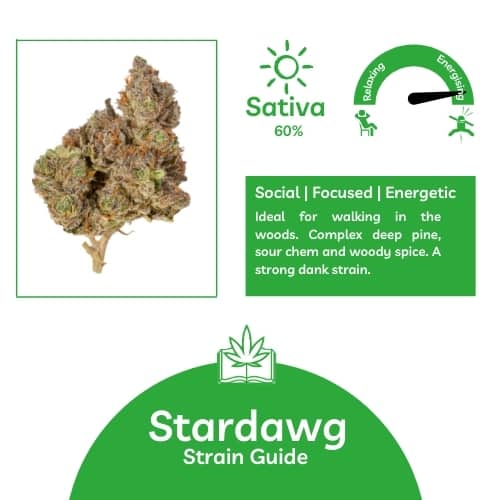
Mastering Growing Techniques: Success Tips from Stardawg Cannabis Seeds Users.
Stardawg cannabis seeds have gained significant popularity among cultivators, both novice and seasoned. Known for their robust growth and potent yield, these seeds are a favourite for those looking to cultivate cannabis with distinctive characteristics. In this article, we delve into the growing techniques that have led to success stories from Stardawg users. By understanding the intricacies of these seeds, we can unlock the potential for a thriving cannabis garden.

As an experienced grower, I have witnessed the transformative power of Stardawg seeds in diverse growing environments. Their adaptability makes them a versatile choice, whether you are cultivating indoors or outdoors. The genetic lineage of Stardawg, which includes Chem Dog 4 and Tres Dawg, contributes to its resilience and rich terpene profile, making it a staple in many growers' collections.
By focusing on practical techniques and insights shared by successful cultivators, we aim to provide a comprehensive guide for those looking to enhance their cannabis cultivation practices. From seed germination to harvesting, this article will offer detailed steps and tips to ensure your Stardawg plants reach their full potential.
Understanding Growing Techniques for Cannabis
Growing cannabis, particularly Stardawg, requires a keen understanding of various techniques that can optimize plant health and yield. Knowing which methods to employ and when to use them is crucial for achieving the best results. In this section, we explore essential growing techniques that have proven effective for Stardawg cultivators.
One fundamental technique is selecting the right growing medium. Whether you choose soil, coco coir, or hydroponics, each medium offers unique advantages and challenges. Soil is often preferred by beginners due to its forgiving nature, while hydroponics provides precise control over nutrient delivery. Understanding the characteristics of each medium will help you make informed decisions tailored to Stardawg's needs.
Another critical aspect is training techniques such as topping, low-stress training (LST), and the Screen of Green (SCROG) method. These techniques help in managing plant growth and maximizing light exposure to lower branches, which can enhance yields. For Stardawg, topping is particularly effective as it encourages bushier growth, allowing more colas to develop.
Lastly, environmental control plays a significant role in successful cannabis cultivation. Maintaining ideal temperature, humidity, and airflow is crucial for Stardawg's development. Implementing tools like fans, dehumidifiers, and air conditioning units can help create the optimal environment for your plants, ultimately leading to a healthier and more productive crop.
Success Stories from Stardawg Users
Hearing success stories from fellow Stardawg growers can provide valuable insights and inspiration for your cultivation journey. Many cultivators have shared their experiences, highlighting the unique challenges and rewards of growing Stardawg cannabis. By learning from their successes, we can refine our techniques and achieve remarkable results.
One grower from California reported achieving exceptional yields using a combination of organic soil and advanced nutrient solutions. By focusing on the quality of the growing medium and carefully monitoring nutrient levels, they were able to produce dense, resinous buds with a potent aroma. This approach underscores the importance of balancing natural and synthetic elements in cannabis cultivation.
Another success story comes from a small-scale indoor cultivator who utilized the SCROG method to maximize space and light efficiency. By training Stardawg plants to grow horizontally, they increased light exposure to the lower canopy, resulting in a more uniform and bountiful harvest. This technique not only improved yield but also enhanced the overall quality of the buds.
Lastly, a Canadian grower shared their experience of overcoming harsh outdoor conditions by selecting the right phenotypes. By carefully choosing Stardawg seeds with genetic traits suited for colder climates, they successfully cultivated robust plants that withstood environmental stressors. This story highlights the importance of phenotypic selection and adaptability in cannabis cultivation.
Essential Tips for Successful Cannabis Cultivation
To cultivate Stardawg cannabis successfully, several essential tips must be considered. These tips have been distilled from the experiences of seasoned cultivators and can serve as a valuable guide for both beginners and experienced growers looking to optimize their practices.
- Start with Quality Genetics: Always source your Stardawg seeds from reputable breeders. High-quality genetics are the foundation of a successful grow, ensuring the plants exhibit the desired traits and characteristics.
- Monitor pH Levels: Maintaining the correct pH level in your growing medium is crucial for nutrient absorption. For soil, aim for a pH range of 6.0 to 7.0, while hydroponic systems should be between 5.5 and 6.5.
- Implement Proper Watering Techniques: Overwatering is a common mistake that can lead to root rot and other issues. Ensure your plants receive the right amount of water by allowing the top layer of soil to dry out between watering sessions.
- Optimize Light Exposure: Ensure your Stardawg plants receive adequate light, which is vital for photosynthesis and growth. Utilize quality grow lights indoors and position them to maximize coverage.
- Regularly Inspect for Pests and Diseases: Conduct routine checks for signs of pests or diseases. Early detection and intervention are key to preventing widespread issues that can affect plant health.
By integrating these tips into your cultivation routine, you can significantly enhance the growth and yield of your Stardawg cannabis plants.
Common Mistakes to Avoid with Stardawg Seeds
Even experienced growers can make mistakes that impact the success of their cannabis cultivation. Being aware of common pitfalls associated with Stardawg seeds can help prevent them and ensure a thriving garden. Here, we address some frequent errors and provide guidance on how to avoid them.
- Neglecting Environmental Control: One of the most critical aspects of cannabis cultivation is maintaining an optimal environment. Failing to regulate temperature, humidity, and airflow can lead to stress and reduced yields. Invest in reliable equipment and stay vigilant in monitoring conditions.
- Improper Nutrient Management: Over-fertilization or underfeeding can cause nutrient imbalances, leading to deficiencies or toxicity. Follow a structured feeding schedule and adjust based on plant needs and growth stage.
- Ignoring Plant Training: Many growers overlook the importance of training techniques like LST and topping. These methods are essential for managing plant growth and maximizing light exposure, particularly in indoor settings.
- Overwatering: As previously mentioned, overwatering is a common mistake that can have detrimental effects on plant health. Develop a watering schedule that aligns with the specific needs of Stardawg plants.
- Inadequate Pest Management: Pests can quickly become a problem if not addressed promptly. Implement preventive measures such as using neem oil or introducing beneficial insects to keep pests at bay.
By avoiding these common mistakes, you can create a more conducive environment for your Stardawg plants, promoting healthier growth and increased yields.
Optimal Growing Conditions for Stardawg Cannabis
Creating the ideal growing conditions for Stardawg cannabis is essential for maximizing its potential. Understanding the specific requirements for temperature, humidity, and lighting will help you optimize your cultivation environment and achieve the best results.
Temperature and Humidity
- Temperature: Stardawg thrives in temperatures between 70-85°F (21-29°C) during the day and slightly cooler conditions at night. Maintaining consistent temperatures within this range promotes healthy growth.
- Humidity: During the vegetative phase, aim for humidity levels of 40-70%. As the plants transition to the flowering stage, gradually reduce humidity to 40-50% to prevent mold and mildew.
Lighting
- Light Intensity: Stardawg requires intense lighting to support robust growth. High-quality LED or HID grow lights are recommended for indoor cultivation, with an optimal light cycle of 18/6 (18 hours light, 6 hours dark) during the vegetative stage and 12/12 during flowering.
- Light Positioning: Position your lights to provide even coverage across the canopy. Adjust the height as plants grow to maintain the ideal distance and prevent light burn.
By fine-tuning these environmental parameters, you can create an optimal setting for Stardawg cannabis to flourish.
Nutrient Management for Stardawg Cannabis Plants
Proper nutrient management is a cornerstone of successful cannabis cultivation, ensuring plants receive the essential elements needed for growth and development. For Stardawg, a balanced nutrient regimen tailored to its specific needs can lead to healthier plants and higher yields.
Macronutrients
- Nitrogen (N): Crucial for vegetative growth, nitrogen should be abundant during the early stages. It supports leaf and stem development, laying the foundation for a strong plant structure.
- Phosphorus (P): Essential for flowering, phosphorus aids in bud formation and overall plant energy transfer. Increase phosphorus levels as plants enter the flowering phase.
- Potassium (K): Supports root development and disease resistance throughout the plant's life cycle. Ensure potassium is available in adequate amounts during both vegetative and flowering stages.
Micronutrients
- Calcium and Magnesium: Often overlooked, these micronutrients play critical roles in cell wall strength and chlorophyll production. Consider adding supplements if deficiencies are observed.
Feeding Schedule
Develop a structured feeding schedule that aligns with the growth stages of Stardawg. Begin with lower nutrient concentrations and gradually increase as plants mature. Monitor plant response and adjust as needed to prevent nutrient burn or deficiencies.
By implementing a comprehensive nutrient management plan, you can optimize the health and productivity of your Stardawg cannabis plants.
The Role of Light in Growing Stardawg Cannabis
Light is a fundamental component of cannabis cultivation, driving photosynthesis and influencing plant growth. For Stardawg, understanding the role of light and how to harness it effectively is key to achieving a successful harvest.
Light Types
- LED Grow Lights: Energy-efficient and versatile, LED lights are ideal for indoor growers seeking full-spectrum lighting. They emit less heat, reducing the risk of heat stress and allowing for closer placement to plants.
- HID Grow Lights: High-intensity discharge (HID) lights, including metal halide (MH) and high-pressure sodium (HPS), are popular for their intense light output. MH is suitable for vegetative growth, while HPS is preferred for flowering.
Light Cycles
- Vegetative Stage: During the vegetative phase, provide 18 hours of light and 6 hours of darkness. This cycle encourages rapid growth and prepares plants for flowering.
- Flowering Stage: Transition to a 12/12 light cycle as plants enter the flowering stage. This mimics natural light conditions and triggers bud development.
Light Management
- Distance and Coverage: Maintain the recommended distance between lights and the canopy to prevent light burn and ensure even coverage. Regularly adjust the height as plants grow.
- Supplemental Lighting: In outdoor grows, consider supplemental lighting during shorter daylight periods to extend the light cycle and boost growth.
By optimizing light conditions, you can significantly enhance the growth and yield of Stardawg cannabis, ensuring a bountiful harvest.
Harvesting and Curing Stardawg Cannabis
Harvesting and curing are the final steps in the cannabis cultivation process, crucial for preserving the quality and potency of your Stardawg crop. Understanding the timing and techniques involved can make a significant difference in the end product's flavor, aroma, and effects.
Harvest Timing
- Trichome Inspection: Use a magnifying glass or microscope to examine trichomes on the buds. Harvest when trichomes are mostly milky with some turning amber, indicating peak potency.
- Pistil Color: Monitor pistil color changes. Harvest when 70-90% of pistils have darkened for optimal cannabinoid and terpene levels.
Harvesting Techniques
- Dry Trimming: Cut entire branches and hang them upside down in a dark, well-ventilated area. Once dried, trim excess leaves to enhance bud appearance and potency.
- Wet Trimming: Remove fan leaves immediately after cutting, then hang branches to dry. This method can speed up the drying process but requires more initial labor.
Curing Process
- Jar Curing: Place dried buds in airtight jars, filling them loosely to allow airflow. Store in a cool, dark place and open jars (burp) daily for the first two weeks to release moisture.
- Long-Term Curing: Continue curing for at least one month to enhance flavor and potency. Properly cured buds offer a smoother smoking experience and a more pronounced terpene profile.
By mastering the art of harvesting and curing, you can maximize the quality and potency of your Stardawg cannabis, ensuring a satisfying and flavorful product.
Conclusion: Achieving Success with Stardawg Cannabis Seeds
In conclusion, mastering growing techniques for Stardawg cannabis seeds involves a combination of strategic planning, attention to detail, and ongoing adaptation. From selecting high-quality seeds and understanding environmental needs to implementing training and nutrient management, each step plays a crucial role in achieving a successful harvest.
As growers, it is essential to remain informed and open to learning from both successes and challenges. The insights shared by experienced Stardawg cultivators highlight the diversity of approaches and the importance of tailoring techniques to individual growing conditions. By incorporating these strategies into your cultivation process, you can unlock the full potential of Stardawg cannabis, resulting in a thriving and productive garden.
If you're ready to embark on your Stardawg cultivation journey or enhance your current practices, consider exploring reputable seed banks and investing in quality equipment to support your efforts. Remember, the key to success lies in understanding your plants' needs and continuously refining your techniques to create the optimal growing environment.
If you're inspired to start your own Stardawg cannabis cultivation journey, visit our website for a selection of premium seeds and growing supplies. Join our community of passionate growers and share your success stories with us!