




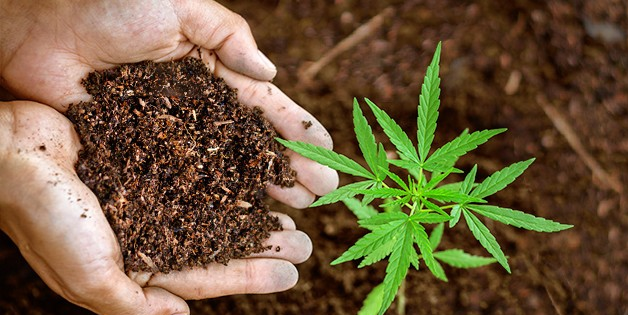
Growing Cannabis Seeds in Living Soil: Step-by-Step Guide from Discount Cannabis Seeds.
Growing cannabis seeds in living soil is an art that blends nature’s wisdom with modern cultivation techniques. As more cultivators seek sustainable and organic methods, living soil has gained popularity for its ability to enhance plant growth naturally. At Discount Cannabis Seeds, we believe in empowering growers with the knowledge to produce high-quality cannabis while respecting the environment.
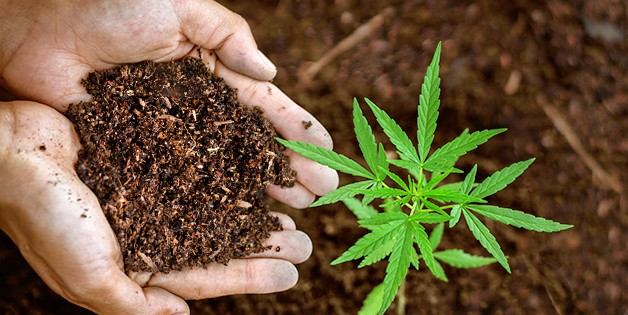
In this comprehensive guide, I will walk you through the journey of cultivating cannabis seeds in living soil. We'll discuss the basics of living soil, its benefits, essential components, and offer a detailed step-by-step guide to ensure your success. Whether you are a beginner or an experienced grower, this guide will provide you with valuable insights to optimize your cannabis cultivation process.
With the increasing demand for organic cannabis, understanding how to utilize living soil effectively is crucial. Not only does living soil promote healthier plants, but it also contributes to a more sustainable growing environment. Let's explore the fascinating world of living soil and discover how it can transform your cannabis cultivation experience.
Understanding Living Soil: What It Is and Why It Matters.
Living soil is a dynamic and complex ecosystem that mimics natural soil environments. Unlike conventional soil, living soil is teeming with beneficial microorganisms, fungi, and organic matter that work symbiotically to nourish plants. This vibrant ecosystem not only provides essential nutrients but also enhances soil structure and promotes plant health.
The significance of living soil stems from its ability to create a self-sustaining environment for plants. By fostering a balanced ecosystem, living soil naturally regulates nutrient availability and supports plant growth without the need for synthetic fertilizers. This holistic approach ensures that cannabis plants receive nutrients in a form that they can easily absorb, leading to robust and resilient growth.
Living soil matters because it offers a sustainable alternative to traditional cultivation methods that often rely on chemical inputs. By using living soil, growers can reduce their environmental impact, improve soil health, and produce cannabis that is not only potent but also free from harmful chemicals. Understanding and embracing living soil is a step towards more eco-friendly and responsible cannabis cultivation.
Benefits of Using Living Soil for Cannabis Cultivation.
There are numerous benefits to using living soil for growing cannabis, making it an increasingly popular choice among cultivators. One of the primary advantages is the enhanced nutrient uptake by plants. The microorganisms in living soil break down organic matter into forms that are easily accessible to cannabis plants, ensuring a steady supply of essential nutrients.
Another significant benefit is the improved soil structure and aeration, which promotes healthy root development. The presence of organic matter and microorganisms enhances soil porosity, allowing roots to access oxygen and water more efficiently. This results in stronger and more resilient plants that can withstand environmental stressors.
Living soil also contributes to pest and disease resistance. The diverse microbial community acts as a natural defense mechanism, suppressing harmful pathogens and pests. By maintaining a healthy soil ecosystem, growers can reduce the need for chemical pesticides and create a more balanced and sustainable growing environment.
Essential Components of Living Soil.
Creating effective living soil involves combining several key components that work together to support plant growth. These components include organic matter, beneficial microorganisms, and minerals. Each plays a unique role in establishing a thriving soil ecosystem.
Organic Matter: This is the foundation of living soil. Organic matter such as compost, worm castings, and decomposed plant material provides nutrients and serves as food for microorganisms. It improves soil structure, water retention, and aeration, creating an ideal environment for roots to thrive.
Beneficial Microorganisms: These include bacteria, fungi, and protozoa that help break down organic matter and release nutrients. Mycorrhizal fungi, for example, form symbiotic relationships with plant roots, enhancing nutrient uptake and improving plant resilience.
Minerals: Essential minerals such as calcium, magnesium, and potassium are vital for plant health and development. Adding rock dust or mineral amendments ensures that the soil contains all the necessary elements for optimal cannabis growth.
By incorporating these components into your soil mix, you create a living, breathing ecosystem that sustains plant growth naturally and efficiently.
Step-by-Step Guide to Growing Cannabis Seeds in Living Soil.
Growing cannabis seeds in living soil involves several critical steps, each contributing to a successful harvest. Here’s a detailed guide to help you master this organic cultivation method:
Step 1: Preparing the Soil
Begin by selecting a high-quality living soil mix or create your own by combining organic matter, beneficial microorganisms, and minerals.
Ensure the soil is well-aerated and retains moisture without becoming waterlogged.
Amend the soil with compost or worm castings to boost nutrient levels and support microbial activity.
Step 2: Germinating the Seeds
Soak cannabis seeds in water for 12-24 hours to encourage germination.
Transfer the seeds to a damp paper towel or directly into the soil, ensuring they remain moist and warm.
Once the seeds sprout, plant them about 0.5 inches deep in the soil.
Step 3: Planting and Growing
Place the seedlings in a location with adequate light, maintaining a consistent temperature of around 70-75°F (21-24°C).
Water the plants with dechlorinated water, allowing the soil to dry slightly between watering.
Avoid over-fertilizing; let the living soil ecosystem provide the necessary nutrients.
Step 4: Maintenance and Monitoring
Monitor plants for signs of nutrient deficiencies or pests.
Prune and train plants as needed to promote healthy growth and maximize light exposure.
Maintain soil health by periodically adding organic matter and monitoring microbial activity.
Following these steps will help you cultivate robust cannabis plants using living soil, resulting in a bountiful and high-quality harvest.
Common Mistakes to Avoid When Growing in Living Soil.
While growing cannabis seeds in living soil offers many advantages, it’s essential to avoid common pitfalls that can hinder your success. Being aware of these mistakes can help you maintain a thriving garden.
Overwatering: Living soil retains moisture well, so it's crucial to avoid overwatering, which can lead to root rot and other issues. Allow the soil to dry out slightly between watering sessions to ensure proper oxygenation of the roots.
Ignoring Soil Health: Regularly check the health of your soil by monitoring microbial activity and organic matter levels. Neglecting soil health can result in nutrient imbalances and reduced plant growth.
Inadequate Light: Cannabis plants require ample light to grow vigorously. Ensure your plants receive sufficient light, whether through natural sunlight or artificial grow lights, to prevent stunted growth and poor yields.
By avoiding these common mistakes, you can optimize your cannabis cultivation efforts and enjoy the benefits of growing in living soil.
Nutrient Management in Living Soil for Cannabis.
Managing nutrients in living soil is a critical aspect of successful cannabis cultivation. Unlike synthetic fertilizers, living soil relies on a natural balance of nutrients provided by microorganisms and organic matter.
Nutrient Cycling: The microbial community in living soil helps decompose organic matter, releasing nutrients in a form that plants can easily absorb. Regularly adding compost or organic amendments ensures a continuous supply of nutrients.
pH Balance: Maintaining the correct pH level is crucial for nutrient availability. The ideal pH range for cannabis in living soil is between 6.0 and 7.0. Test your soil periodically and adjust as needed using natural amendments like lime or sulfur.
Supplementation: While living soil is rich in nutrients, there may be times when additional supplementation is necessary. Use organic fertilizers sparingly and only when signs of deficiencies appear, such as yellowing leaves or slowed growth.
Proper nutrient management ensures that your cannabis plants receive the nourishment they need to thrive, resulting in healthier growth and higher yields.
Pest and Disease Management in Living Soil.
One of the advantages of using living soil is its ability to naturally mitigate pests and diseases. However, proactive management is still essential to maintain a healthy growing environment.
Healthy Soil Ecosystem: A thriving microbial community can suppress harmful pathogens and pests. Encourage beneficial organisms by maintaining soil health through regular additions of organic matter.
Natural Pest Control: Utilize natural pest control methods such as introducing beneficial insects like ladybugs or predatory mites to manage pest populations. Neem oil and insecticidal soap are also effective organic options.
Disease Prevention: Ensure proper air circulation and avoid overwatering to prevent fungal diseases. Regularly inspect plants for signs of disease and address issues promptly to prevent further spread.
By implementing these strategies, you can effectively manage pests and diseases in your living soil garden, ensuring a productive and healthy cannabis crop.
Harvesting and Curing Cannabis Grown in Living Soil.
Harvesting and curing are the final steps in the cannabis cultivation process, and doing them correctly is crucial for preserving the quality and potency of your harvest.
Timing the Harvest: Harvest your cannabis plants when the trichomes (resin glands) are at their peak potency. This usually occurs when the trichomes change from clear to milky white with a hint of amber.
Proper Drying: After harvesting, trim the plants and hang them upside down in a dark, well-ventilated area. Maintain a temperature of around 60-70°F (15-21°C) and a humidity level of 45-55% for optimal drying conditions.
Curing: Once dried, cure the buds by placing them in airtight glass jars. Store the jars in a cool, dark place, opening them daily to release moisture. This process enhances flavor and potency, resulting in a superior cannabis product.
By following these steps, you can ensure that your cannabis grown in living soil retains its quality and potency, providing an exceptional experience for consumers.
Conclusion: Embrace Living Soil for Superior Cannabis Growth.
Embracing living soil for cannabis cultivation offers numerous benefits, from enhanced plant growth to reduced environmental impact. By understanding the principles of living soil and implementing the techniques outlined in this guide, you can master the art of growing cannabis seeds in a sustainable and effective manner.
At Discount Cannabis Seeds, we are committed to supporting growers in their journey towards organic and responsible cultivation. We encourage you to explore the world of living soil and experience the difference it can make in your cannabis growing endeavors.
If you're ready to start your journey with living soil, consider visiting our store to explore our selection of premium cannabis seeds and organic cultivation supplies. Together, we can cultivate a healthier and more sustainable future.