




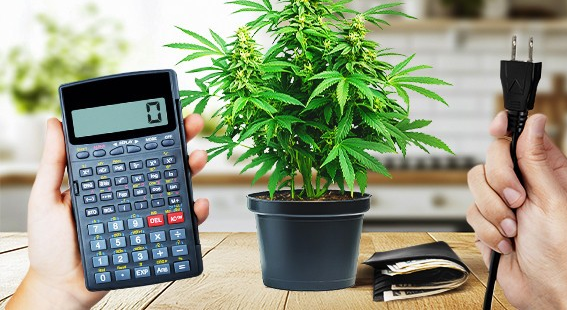
Mastering Your Budget: How to Calculate Electricity Costs of Growing Cannabis Seeds by Discount Cannabis Seeds.
Understanding the Importance of Budgeting in Cannabis Cultivation.
In the realm of cannabis cultivation, budgeting plays a pivotal role, especially when it comes to managing operational costs like electricity. Without a well-thought-out budget, cultivators may face unexpected expenses that can significantly affect profitability. As we dive into the nuances of growing cannabis seeds, understanding and calculating electricity costs becomes crucial. A clear budget not only ensures financial stability but also enables strategic planning for future growth.
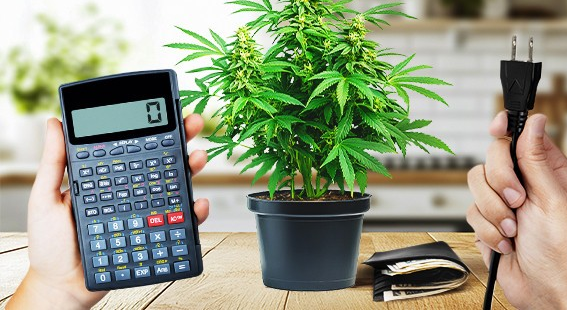
Electricity costs are a major component of cannabis cultivation expenses. Whether you're operating on a small scale or managing a large commercial setup, the energy required for lighting, ventilation, and other equipment adds up quickly. By accurately calculating these costs, we can make informed decisions about equipment purchases and cultivation methods. This foresight helps in avoiding financial pitfalls and optimizing resource allocation.
Setting a budget also encourages us to evaluate the efficiency of our operations. It pushes us to explore energy-saving technologies and practices that can reduce electricity consumption. By keeping a close watch on electricity costs, we can boost our bottom line and contribute to sustainable cultivation practices, which are increasingly demanded by environmentally-conscious consumers.
Factors Influencing Electricity Costs in Cannabis Growing.
Several factors influence the electricity costs associated with growing cannabis seeds. Understanding these variables enables us to manage and potentially reduce expenses effectively. One primary factor is the type of lighting used. High-intensity discharge (HID) lights, while popular for their effectiveness, consume a significant amount of electricity. On the other hand, LED lights, although more expensive upfront, are energy-efficient and can lead to substantial savings over time.
The duration and intensity of light exposure also play a critical role. Cannabis plants require specific light cycles for optimal growth, typically 18 hours on and 6 hours off during the vegetative stage. This constant demand for light can drive up electricity costs. Therefore, selecting the right lighting schedule and maintaining it is essential to balance plant health and energy expenses.
Environmental controls such as heating, ventilation, and air conditioning (HVAC) systems are also significant contributors. The need to maintain ideal temperature and humidity levels is crucial for preventing mould and ensuring healthy plant growth. However, these systems can also be energy-intensive. By optimizing the efficiency of HVAC systems, we can further reduce electricity consumption, resulting in lower overall costs.
How to Calculate Electricity Costs for Growing Cannabis Seeds.
Calculating the electricity costs for growing cannabis seeds involves a few straightforward steps. First, we need to determine the total wattage of the equipment used in the cultivation process. This includes lights, fans, dehumidifiers, and any other electrical appliances. Each device typically has a wattage rating, which can be found on the product label or in the user manual.
Once we have the total wattage, the next step is to calculate the kilowatt-hours (kWh) used. This is done by multiplying the total wattage by the number of hours the equipment is used each day, then dividing by 1,000. For example, if the total wattage is 1,000 watts and the equipment runs for 18 hours a day, the daily kWh usage would be (1,000 watts * 18 hours) / 1,000 = 18 kWh per day.
Finally, to determine the cost, we multiply the daily kWh by the cost per kWh charged by the electricity provider. If the cost is $0.12 per kWh, the daily cost would be 18 kWh * $0.12 = $2.16. By calculating this for each piece of equipment and summing the totals, we arrive at a comprehensive view of the electricity costs involved in our cannabis cultivation operation.
Tips for Reducing Electricity Costs While Cultivating Cannabis.
Reducing electricity costs in cannabis cultivation requires strategic planning and the implementation of energy-efficient practices. One effective approach is to invest in LED lighting. Although the initial investment may be higher, LEDs consume significantly less energy and have a longer lifespan compared to traditional lighting systems, leading to savings in the long run.
Another way to reduce costs is by optimizing the growing environment. Using reflective materials on walls and ceilings can maximize light efficiency, allowing us to use less energy-intensive lighting setups. Additionally, ensuring that the grow space is well-insulated minimizes the load on HVAC systems, thereby reducing energy consumption needed for temperature and humidity control.
Implementing a staggered lighting schedule can also result in cost savings. By running lights during off-peak hours when electricity rates are lower, we can cut down on expenses. Automation tools, such as timers and smart plugs, can aid in managing light cycles and other equipment usage efficiently. These small adjustments can collectively lead to significant reductions in electricity costs, enhancing the overall profitability of our cannabis cultivation operations.
The Role of Equipment Efficiency in Cannabis Electricity Expenses.
Equipment efficiency is a cornerstone of managing electricity expenses in cannabis cultivation. The efficiency of lighting, HVAC systems, and other electric devices directly impacts the overall energy consumption and associated costs. Opting for high-efficiency models can lead to substantial savings over time and improve the sustainability of our cultivation practices.
High-efficiency lighting systems, such as LEDs, not only consume less electricity but also produce less heat. This reduces the burden on cooling systems, further lowering electricity usage. Advanced HVAC systems with energy-saving features and smart controls can adapt to environmental changes, ensuring optimal climate conditions without excessive energy use.
Regular maintenance and upgrades of equipment also play an important role in maintaining efficiency. Over time, equipment can become less efficient due to wear and tear. Ensuring that all devices are in good working condition and replacing outdated models with more efficient ones can lead to noticeable reductions in electricity costs. By prioritizing equipment efficiency, we create a more cost-effective and sustainable cultivation environment.
Comparing Growing Methods: Indoor vs. Outdoor Electricity Costs.
Growing cannabis seeds can be done both indoors and outdoors, each method having distinct implications for electricity costs. Indoor cultivation typically requires more electricity due to artificial lighting, HVAC systems, and other environmental controls. This method provides greater control over growing conditions, allowing for year-round cultivation and potentially higher yields, but it comes with higher energy expenses.
In contrast, outdoor cultivation relies primarily on natural sunlight and environmental conditions, significantly reducing electricity requirements. However, this method is subject to seasonal changes and less control over environmental factors, which can affect plant health and yield. Despite lower electricity costs, outdoor growing may involve other expenses, such as pest management and weather protection.
Ultimately, the choice between indoor and outdoor cultivation depends on factors like budget, location, and desired yield. While indoor growing offers more control and consistency, outdoor cultivation can be a cost-effective alternative for those looking to minimize electricity expenses. Understanding the trade-offs between these methods helps us make informed decisions that align with our budget and cultivation goals.
Budgeting Tools and Resources for Cannabis Growers.
Effective budgeting for cannabis cultivation involves utilizing various tools and resources to track and manage costs. Spreadsheet software, such as Microsoft Excel or Google Sheets, can be a valuable tool for organizing and calculating expenses. These applications allow us to create detailed budgets that include electricity costs, equipment purchases, and other operational expenses.
There are also specialized budgeting software solutions designed specifically for cannabis growers. These platforms offer features such as cost tracking, financial forecasting, and resource management, providing a comprehensive view of the financial health of our cultivation operation. By leveraging these tools, we can make data-driven decisions that optimize our budget and improve profitability.
Online resources, such as forums and industry publications, offer insights and advice on managing costs in cannabis cultivation. Engaging with the community and staying informed about the latest trends and technologies can help us identify opportunities for cost savings and efficiency improvements. By combining these tools and resources, we can create a robust budgeting strategy that supports sustainable and profitable cannabis cultivation.
Real-Life Examples of Electricity Cost Calculations in Cannabis Growth.
To better understand how electricity costs are calculated in cannabis growth, let's explore a couple of real-life examples. Consider a small indoor grow operation using 10 LED lights, each with a wattage of 200 watts. If these lights are on for 18 hours a day, the daily electricity usage for lighting alone would be:
Total Wattage: 10 lights * 200 watts = 2,000 watts
Daily kWh Usage: (2,000 watts * 18 hours) / 1,000 = 36 kWh
Cost per Day: 36 kWh * $0.12 per kWh = $4.32
Now, let's examine a larger commercial operation using 50 HID lights at 600 watts each, running for the same duration:
Total Wattage: 50 lights * 600 watts = 30,000 watts
Daily kWh Usage: (30,000 watts * 18 hours) / 1,000 = 540 kWh
Cost per Day: 540 kWh * $0.12 per kWh = $64.80
These examples illustrate the significant impact of equipment and scale on electricity costs. By regularly analyzing these costs, we can identify areas where efficiency improvements can lead to substantial savings, ensuring a more cost-effective cultivation operation.
Final Thoughts on Managing Electricity Costs for Cannabis Cultivation.
Managing electricity costs is a critical aspect of successful cannabis cultivation. By understanding the factors that influence these costs and employing strategies to reduce them, we can optimize our operations for both efficiency and profitability. Calculating electricity expenses accurately allows us to budget effectively and make informed decisions about equipment and cultivation methods.
As we continue to refine our growing practices, embracing energy-efficient technologies and exploring alternative methods can further enhance our sustainability efforts. Whether through transitioning to LED lighting, improving equipment efficiency, or adopting outdoor growing practices, there are numerous opportunities to reduce electricity costs.
By prioritizing energy management and incorporating budgeting tools into our operations, we can ensure the long-term success of our cannabis cultivation endeavours. For those looking to delve deeper into optimizing their cultivation costs, consulting with industry experts and leveraging community resources can provide valuable insights and support.
Call to Action.
If you're ready to take control of your cannabis cultivation costs and explore energy-efficient practices, reach out to our team at Discount Cannabis Seeds for personalized advice and high-quality seeds to kickstart your journey. Let us help you grow smarter, not harder, and achieve a thriving cultivation operation with sustainable practices. Connect with us today and discover how you can enhance your growing experience while keeping costs in check.