




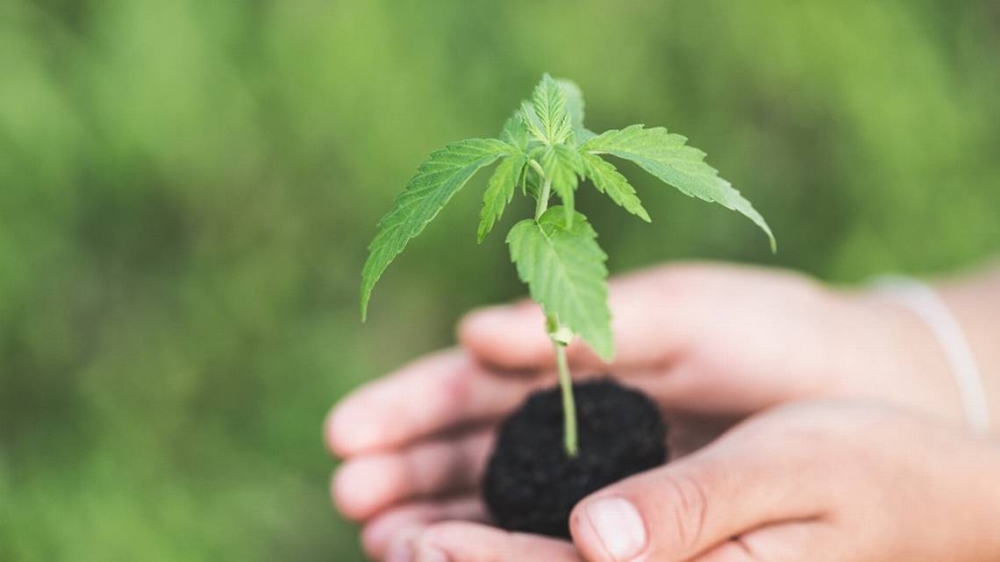
How to Germinate Cannabis Seeds in the UK: Step-by-Step Guide.
Germination is the very first step in the journey of growing cannabis. For UK growers, understanding how to germinate cannabis seeds successfully is essential to ensure strong seedlings and healthy plants. Whether you are using feminised, auto flowering, or regular seeds, proper germination sets the foundation for a productive harvest. This guide covers everything from seed selection and preparation, multiple germination methods, common mistakes to avoid, to post-germination care, with real UK grower experiences included.
Understanding Cannabis Seeds Before Germination.
Before germinating seeds, it’s important to understand the different types and how to check their viability.
Seed Anatomy and Viability
A cannabis seed contains:
- Embryo: The part that will grow into a seedling.
- Endosperm: Nutrient store to feed the embryo during early growth.
- Seed Coat: Protective outer layer that shields the embryo from damage and environmental stress.
- Healthy seeds are typically:
- Brown or grey in colour
- Firm to the touch
- Free of cracks or mould
Feminised Seeds – Guaranteed female plants, ideal for beginners seeking maximum yield.
Auto flowering Seeds – Flower automatically after 2–4 weeks, easy to grow indoors or outdoors.
Regular Seeds – Can produce male or female plants; suitable for breeding or experimentation.
To maximise germination success:
- Avoid seeds that are green or white (usually immature).
- Store seeds in a cool, dry, dark environment to maintain viability.
- Use reputable UK seed banks, even for discounted seeds, to ensure genetics and viability.
Step-by-Step Germination Methods.
Several methods exist for germinating cannabis seeds, each with its pros and cons. UK growers often choose a method depending on space, climate, and experience.
Steps:
Moisten two paper towels with filtered water.
Place seeds on one towel and cover with the other.
Put the towel and seeds inside a plastic bag or container to maintain humidity.
Store in a warm, dark place (20–25°C).
Check daily to ensure the towel remains moist and monitor sprouting.
Pros:
Easy to monitor seed progress
Simple setup, requires minimal equipment
Cons:
Risk of root damage when transferring seedlings to soil
Needs careful handling to prevent drying out
Tip for UK growers: Maintain a stable indoor temperature, as UK homes can be cooler than ideal for germination.
Steps:
Prepare small pots with nutrient-rich seedling soil.
Plant seeds 0.5–1cm deep.
Water gently to avoid displacing seeds.
Cover with a dome or plastic wrap to maintain humidity.
Keep soil consistently moist but not waterlogged.
Pros:
Less transplant shock for seedlings
Natural growth environment
Cons:
Harder to monitor seeds’ progress
Risk of overwatering
Tip: Use a warm indoor area or a propagator to replicate ideal conditions in the UK climate.
Steps:
Fill a glass with filtered water at room temperature.
Place seeds in water and leave them for 12–24 hours (maximum 48 hours).
Seeds should begin to crack and sprout a small taproot.
Transfer to soil or another growth medium carefully.
Pros:
Quick germination indicator
Simple setup
Cons:
Seeds can drown if left too long
Requires careful handling of delicate taproots
Tip: Always handle seeds by the shell, not the root, to avoid damage.
4. Rockwool or Hydroponic Germination.
Steps:
Soak Rockwool cubes in pH-balanced water (5.5–6.5).
Place seeds in the cube and maintain moisture.
Keep in a warm, humid environment.
Once seedlings emerge, transfer to hydroponic system or soil.
Pros:
Ideal for hydroponic growers
Provides excellent root aeration and moisture control
Cons:
Requires careful pH management
Less forgiving for beginners
Tip: UK indoor growers with limited space often prefer Rockwool for clean, controlled germination.
Common Germination Mistakes and How to Avoid Them.
Overwatering or Drying Out Seeds – Keep seeds consistently moist but not soaked.
Incorrect Temperature – Seeds need 20–25°C; UK homes can be cool in winter, so use heating mats if necessary.
Handling Seeds Too Much – Minimise touching the sprouting taproot.
Poor Quality Seeds – Always source from reputable UK seed banks, even discounted ones.
Planting Too Deep – 0.5–1cm is ideal; deeper planting can hinder sprouting.
Laura, Bristol: “I used the paper towel method for feminised seeds indoors. Within 3 days, most had sprouted. Transferring to soil was simple, and the seedlings thrived.”
Tom, Manchester: “Direct soil germination worked best for my auto flowering seeds. No transplant shock, and they grew fast under LED lights.”
Clara, Newcastle: “I tried the glass of water method for the first time. A couple of seeds didn’t sprout, but the rest grew beautifully. Patience is key.”
These experiences highlight that germination success depends on careful handling, proper environment, and seed quality.
FAQs About Germinating Cannabis Seeds.
Q1: How long does germination take?
Most seeds sprout within 2–7 days, depending on strain and conditions.
Q2: What if my seeds don’t sprout?
Check for:
Seed viability
Correct moisture and temperature
Over-handling of the seed or taproot
Q3: Can I germinate outdoors in the UK?
Yes, during late spring or summer when temperatures are stable (20–25°C). Use propagators or mini-greenhouses to protect young seedlings.
Q4: Are discount seeds harder to germinate?
Not necessarily. Quality discount seeds from reputable UK suppliers germinate just as well as premium seeds.
Q5: How do I transition seedlings after germination?
Transfer gently to soil or growing medium once taproots are 1–2cm long. Maintain humidity and gentle lighting to avoid shock.
Tips for Successful Seedling Growth After Germination.
- Lighting: Seedlings need 18–24 hours of light daily; use LEDs or fluorescent lights.
- Humidity: Maintain 60–70% humidity for young seedlings.
- Temperature: Keep between 20–25°C for optimal growth.
- Watering: Use a spray bottle initially, gradually increase as seedlings develop.
- Nutrients: Minimal feeding for the first 2–3 weeks; seedlings are sensitive to over-fertilisation.
- Observation: Watch for slow growth, discoloration, or curling leaves; adjust care as needed.
Molly at Discount Cannabis Seeds is an experienced UK cultivator and cannabis enthusiast. She specialises in providing guidance on germinating and growing cannabis seeds, reviewing strains, and sourcing affordable UK seeds without compromising quality. Molly’s goal is to help beginners and seasoned growers achieve strong, healthy plants from the very first sprout.
Germination is the most crucial step in the cannabis growing process. UK growers can achieve excellent results by:
Selecting high-quality seeds (feminised, auto flowering, or regular)
Choosing the appropriate germination method for their setup
Maintaining proper temperature, humidity, and handling practices
By following the methods and tips in this guide, even beginners can successfully germinate cannabis seeds and establish strong seedlings for a healthy, productive grow. Whether using paper towels, soil, water, or Rockwool, patience, consistency, and careful handling are key to germination success in the UK.
Start your cannabis cultivation journey today and enjoy the satisfaction of watching your seeds sprout into healthy, thriving plants.