




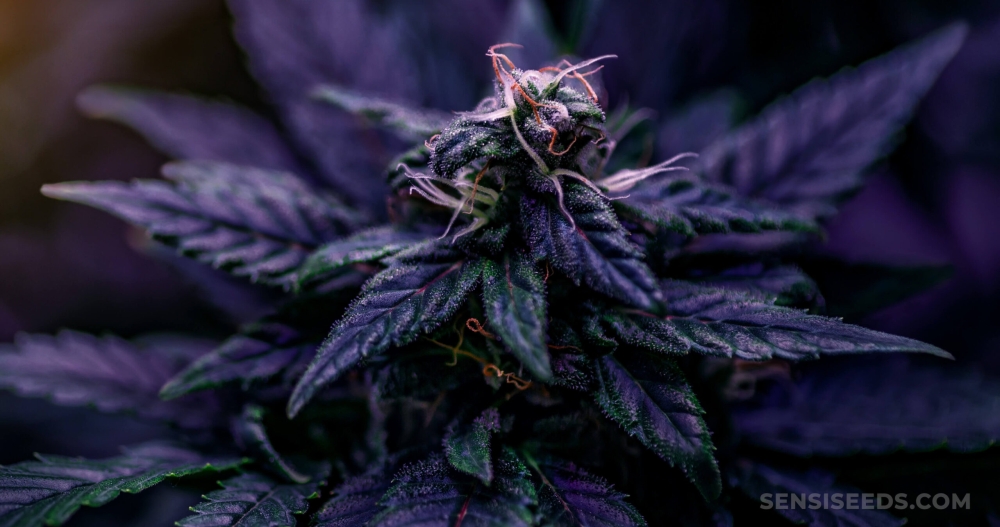
History’s Most Legendary Cannabis Seeds Strains and Their Origins.
Cannabis has been cultivated for centuries, but in the last 50 years the industry has undergone a revolution. What started with local landrace varieties in Afghanistan, Jamaica, or South Africa evolved into a global phenomenon thanks to breeders in the U.S. and Europe. Out of thousands of hybrids and crosses, a handful of strains rose to legendary status — strains that shaped cannabis genetics forever.
These varieties didn’t just dominate harvests — they defined eras, inspired entire movements, and became the backbone of modern seed banks. In today’s cannabis market, where growers can choose from thousands of feminized, auto flowering, or CBD-rich seeds, the legendary strains still hold a special place. They remain the gold standard for potency, flavour, yield, and resilience.
This article is a deep dive into the history, cultural impact, and growing guides for the most legendary cannabis strains of all time. By the end, you’ll know why these classics endure — and how you can grow them successfully today.
Northern Lights – The Indica Powerhouse.
Origins.
First appearing in the Pacific Northwest during the 1970s, Northern Lights is thought to be a pure indica descended from Afghan landrace strains. When Dutch breeders like Neville Schoenmakers brought it to Amsterdam in the 1980s, they stabilized the genetics and turned it into one of the most reliable indoor strains ever.
- Resin-rich buds perfect for hash and extracts.
- Incredibly fast flowering (as little as 6–7 weeks).
- Compact, hardy, and ideal for indoor grows.
Indoor: 7–9 weeks flowering, easy to grow, yields up to 500g/m².
Outdoor: Best in warm, sunny climates but can survive cooler temps thanks to its Afghan heritage.
Grow Difficulty: Beginner-friendly — resistant to pests and mould.
Northern Lights became a parent to dozens of hybrids, including Super Silver Haze and Shiva Skunk. Its soothing, full-body high set the standard for medical cannabis strains used for sleep, pain, and anxiety.
Skunk #1 – The Genetic Foundation.
Origins
Developed in California in the late 1970s, Skunk #1 was a cross of Afghan indica, Colombian gold, and Mexican sativa. When brought to the Netherlands, it quickly became the backbone of the European cannabis scene.
One of the first stable hybrids ever produced.
Reliable structure and uniform growth.
The distinct “skunky” smell influenced cannabis slang worldwide.
Indoor: Flowering time 8–9 weeks, average yield 400–500g/m².
Outdoor: Thrives in temperate climates, hardy and mould-resistant.
Grow Difficulty: Easy — perfect for beginners seeking a balanced hybrid.
Nearly every modern hybrid has some Skunk in its lineage. From Cheese in the UK to Critical Mass in Spain, Skunk #1 became the “universal donor” of cannabis genetics.
White Widow – Amsterdam’s Crown Jewel.
Origins
Bred in the 1990s by Green House Seeds in Amsterdam, White Widow was a game-changer. Its Brazilian sativa and South Indian indica genetics produced a balanced, trichome-heavy plant that sparkled with resin.
- Covered in crystals — one of the frostiest strains ever seen.
- Balanced 50/50 hybrid effects: euphoric yet relaxing.
- Winner of multiple High Times Cannabis Cups.
Indoor: Flowering 8–9 weeks, high yield (450–500g/m²).
Outdoor: Prefers warm climates, ready around October.
Grow Difficulty: Intermediate — requires pruning to manage density.
White Widow defined Amsterdam coffee shop menus in the 1990s. Its iconic look and smooth, balanced high made it a global sensation that still attracts first-time growers today.
OG Kush – The West Coast King.
Origins.
The origins of OG Kush remain debated. Many believe it began in Florida as a cut from ChemDog genetics before reaching California in the 1990s. Whatever its story, once in California, OG Kush spread like wildfire.
- Terpene profile: earthy pine, lemon, and diesel fuel.
- Euphoric yet relaxing effects, ideal for stress and pain.
- Spawned an entire family of Kush strains (Tahoe OG, SFV OG, Ghost OG).
Indoor: Flowering time 8–9 weeks, yield 400–500g/m².
Outdoor: Needs consistent warm weather.
Grow Difficulty: Intermediate to advanced — sensitive to nutrients and humidity.
OG Kush became the backbone of modern American cannabis. It influenced today’s most popular strains, from Girl Scout Cookies to Headband. For West Coast growers, it became the standard of quality.
Girl Scout Cookies (GSC) – The Sweet Revolution.
Origins
Created in California by the Cookie Fam, Girl Scout Cookies combined Durban Poison with OG Kush. It exploded in popularity in the early 2010s.
- Sweet, dessert-like aroma of cookies and mint.
- THC levels often exceed 25%.
- Parent of the “cookie family” (Thin Mint, Platinum Cookies, Gelato).
Indoor: 9–10 weeks flowering, moderate yields.
Outdoor: Best in sunny, Mediterranean-like climates.
Grow Difficulty: Moderate — requires training to maximize yields.
GSC transformed cannabis branding, proving strains could be marketed with personality and flavour. It remains one of the most sought-after varieties for both growers and consumers.
Amnesia Haze – Europe’s Psychedelic Favourite.
Origins
A genetic mix of Thai, Cambodian, Jamaican, and Haze lines, Amnesia Haze was perfected in Amsterdam in the 1990s.
- Citrus, spicy, and earthy flavours.
- Energizing and cerebral — loved by sativa fans.
- Won multiple Cannabis Cups.
Indoor: Flowering 10–12 weeks, 600g/m² yield possible.
Outdoor: Best in hot climates due to long flowering.
Grow Difficulty: Advanced — long cycles and delicate care required.
Amnesia Haze became a coffee shop classic across Europe. Its long, intense high made it the sativa of choice for decades.
Sour Diesel – The East Coast Pioneer.
Origins
Emerging in the New York cannabis scene in the 1990s, Sour Diesel is believed to have descended from ChemDog and Super Skunk genetics.
- Distinct fuel-like aroma — unmistakable.
- Energizing, euphoric effects.
Cult classic of the East Coast.
Indoor: Flowering 10 weeks, high yields possible.
Outdoor: Warm climates only, late harvest.
Grow Difficulty: Intermediate — sensitive to humidity.
Sour Diesel changed terpene preferences forever. The “gas” profile it pioneered became a dominant trend in cannabis breeding.
Durban Poison – The Pure Landrace.
Origins
Hailing directly from South Africa, Durban Poison is a rare pure sativa landrace that remains unhybridized in its classic form.
- Unique anise and licorice aroma.
- Energizing, creative high.
- Hardy outdoor plant, fast for a sativa.
Indoor: Flowering 8–9 weeks, medium yields.
Outdoor: Thrives in sunny, dry climates, resistant to pests.
Grow Difficulty: Beginner to intermediate — resilient landrace genetics.
Durban Poison’s genetics fuelled the creation of hybrids like GSC and Cherry Pie. It remains one of the few truly pure sativas widely available.
Blue Dream – The People’s Strain.
Origins
A cross of Blueberry and Haze, Blue Dream was developed in California and became the most popular strain in American dispensaries during the 2010s.
- Sweet berry aroma.
- Balanced hybrid high.
- High yields and easy cultivation.
Indoor: 9–10 weeks flowering, 500–600g/m² yield.
Outdoor: Prefers California-like climates.
Grow Difficulty: Beginner-friendly.
Blue Dream was so popular that dispensaries struggled to meet demand. It became a medical and recreational staple alike.
Granddaddy Purple – The Purple Icon.
Origins
Bred in California by Ken Estes in 2003, Granddaddy Purple (GDP) combined Purple Urkle and Big Bud genetics.
- Striking purple buds.
- Grape and berry flavours.
Relaxing, sedative effects.
Indoor: 8–9 weeks flowering, moderate yield.
Outdoor: Harvest in October, thrives in warm climates.
Grow Difficulty: Moderate.
Granddaddy Purple sparked the global craze for purple strains. It became one of the most photogenic and recognizable varieties ever.
Conclusion: The Seeds of Legends
From Afghan mountains to Amsterdam coffee shops and California dispensaries, legendary strains are more than genetics — they’re history, culture, and identity rolled into a bud. These strains built the foundation of today’s cannabis seeds industry.
Whether you’re after the resin-heavy Northern Lights, the dessert-like GSC, or the psychedelic power of Amnesia Haze, one thing is clear: true legends never fade. They evolve, inspire, and continue to dominate grow rooms worldwide.