




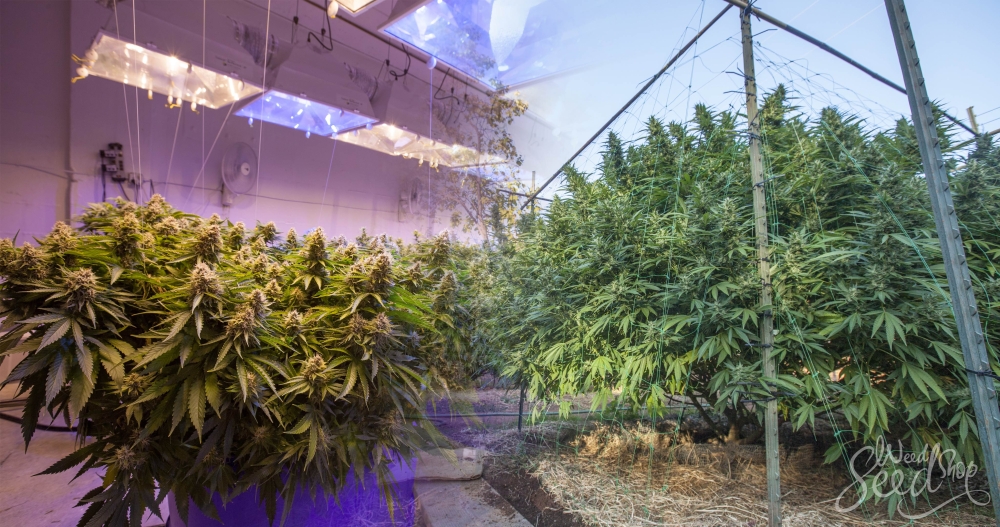
Eco-Friendly Tips for Indoor and Outdoor Cultivation of Cannabis Seeds.
Sustainable and eco-conscious cultivation is no longer optional — it’s the future. Cannabis growers in 2025 are combining high-quality genetics with eco-friendly practices to produce premium cannabis without harming the environment.
This guide explores:
- How to reduce energy consumption and water use
- Organic soil and nutrient management
- Sustainable indoor and outdoor growing strategies
- Tips to maintain yield and potency while being environmentally responsible
- Home growers will learn how to grow efficiently, save money, and protect the planet while producing top-quality cannabis.
1. Why Eco-Friendly Cannabis Cultivation Matters.
Reduces carbon footprint from energy-intensive indoor grows
Minimises chemical runoff and soil degradation
Produces cleaner, healthier buds
Supports long-term sustainability of the cannabis industry
Using organic, environmentally-conscious seeds from trusted suppliers like Discount Cannabis Seeds ensures the foundation of your eco-friendly grow is strong.
2. Choosing the Right Seeds for Sustainable Growing.
2.1 Auto flowering vs Photoperiod Strains
Auto flowering seeds: Shorter cycles, less energy for lighting, suitable for smaller spaces
Photoperiod seeds: Can be grown outdoors for free sunlight, reducing electricity use
2.2 Genetic Stability and Resistance.
Choose pest- and disease-resistant strains to minimise chemical use
Reliable genetics reduce the need for interventions during growth
3. Eco-Friendly Indoor Cultivation Tips.
3.1 Efficient Lighting
Use full-spectrum LEDs instead of HPS/fluorescent bulbs
Reduce energy consumption while promoting healthy growth
Consider light timers to optimise photoperiods
Use organic fertilizers (worm castings, seaweed extract, compost teas)
Avoid synthetic chemicals that can harm the environment
Practice nutrient recycling where possible
Implement drip irrigation systems
Collect rainwater or greywater for irrigation
Avoid overwatering to reduce waste
Use energy-efficient fans
Proper airflow prevents mould without excessive energy use
4. Eco-Friendly Outdoor Cultivation Tips.
4.1 Site Selection
Choose a location with natural sunlight and good drainage
Avoid sensitive ecosystems and protected areas
Use composted soil and organic amendments
Reduce reliance on chemical fertilizers and pesticides
Companion planting (basil, marigold, chamomile) to repel pests
Introduce beneficial insects like ladybugs and predatory mites
Use organic sprays only when necessary
Mulch beds to retain soil moisture
Water early morning or late evening to reduce evaporation
5. Advanced Sustainable Techniques
5.1 Vertical Farming and Space Efficiency
Maximise light use indoors while minimising footprint
Reduce overall resource consumption
Capture and reuse CO₂ in sealed grow rooms for higher efficiency
Enhances growth without chemical fertilizers
5.3 Renewable Energy Integration
Solar panels to power lights and fans
Wind or hydro setups where feasible
5.4 Smart Sensors and Automation
Monitor humidity, temperature, and soil moisture
Reduces resource waste while maintaining optimal plant health
6. Harvesting and Curing Sustainably.
6.1 Eco-Friendly Harvest Practices
Minimise mechanical waste during trimming
Recycle plant matter for compost or mulch
Use glass jars and humidity packs instead of plastic
Store seeds and buds in cool, dark environments to prolong shelf-life
7. Common Mistakes to Avoid.
Mistake Impact Eco-Friendly Solution
Overwatering Wastes water Monitor soil moisture
Over-fertilising Soil and water pollution Use organic, measured nutrients
Excessive lighting High energy bills Switch to LEDs
Synthetic pesticides Environmental harm Use organic pest control.
Q1: Can I grow high-quality cannabis sustainably?
A: Yes — with proper genetics, organic nutrients, and energy-efficient practices, you can grow premium cannabis with minimal environmental impact.
Q2: Which seeds are best for eco-friendly growing?
A: Strains from Discount Cannabis Seeds that are resilient, high-yielding, and stable genetics reduce the need for chemical interventions.
Q3: How do I reduce water usage indoors?
A: Use drip irrigation, recycle water where safe, and monitor soil moisture to avoid overwatering.
Q4: Can I grow outdoors in small spaces sustainably?
A: Yes — vertical planting, companion crops, and organic soil amendments make small spaces highly productive and eco-friendly.
Q5: Does sustainable growing reduce yield?
A: Not necessarily — with the right genetics and techniques, eco-friendly grows can produce equal or higher quality yields than conventional methods.
Sustainable cannabis cultivation is the future for home growers in 2025. By selecting high-quality seeds, optimising indoor and outdoor growing conditions, using organic nutrients, and adopting energy-efficient techniques, growers can:
- Reduce environmental impact
- Save money on energy and water
- Produce healthy, potent, and flavourful cannabis seeds.
Start your eco-friendly growing journey today with Discount Cannabis Seeds — because every sustainable harvest begins with the right genetics.
🌿 Grow responsibly, yield abundantly, and protect the planet while cultivating premium cannabis.
All seeds sold by Discount Cannabis Seeds are for collectible / souvenir purposes only. Germination is illegal in the UK without a Home Office license.
We are certified by Canna Pro.